

You’ll live at world-class research stations and with host families, lending a hand to ongoing conservation projects while exploring some of the most pristine and diverse locations on the planet.
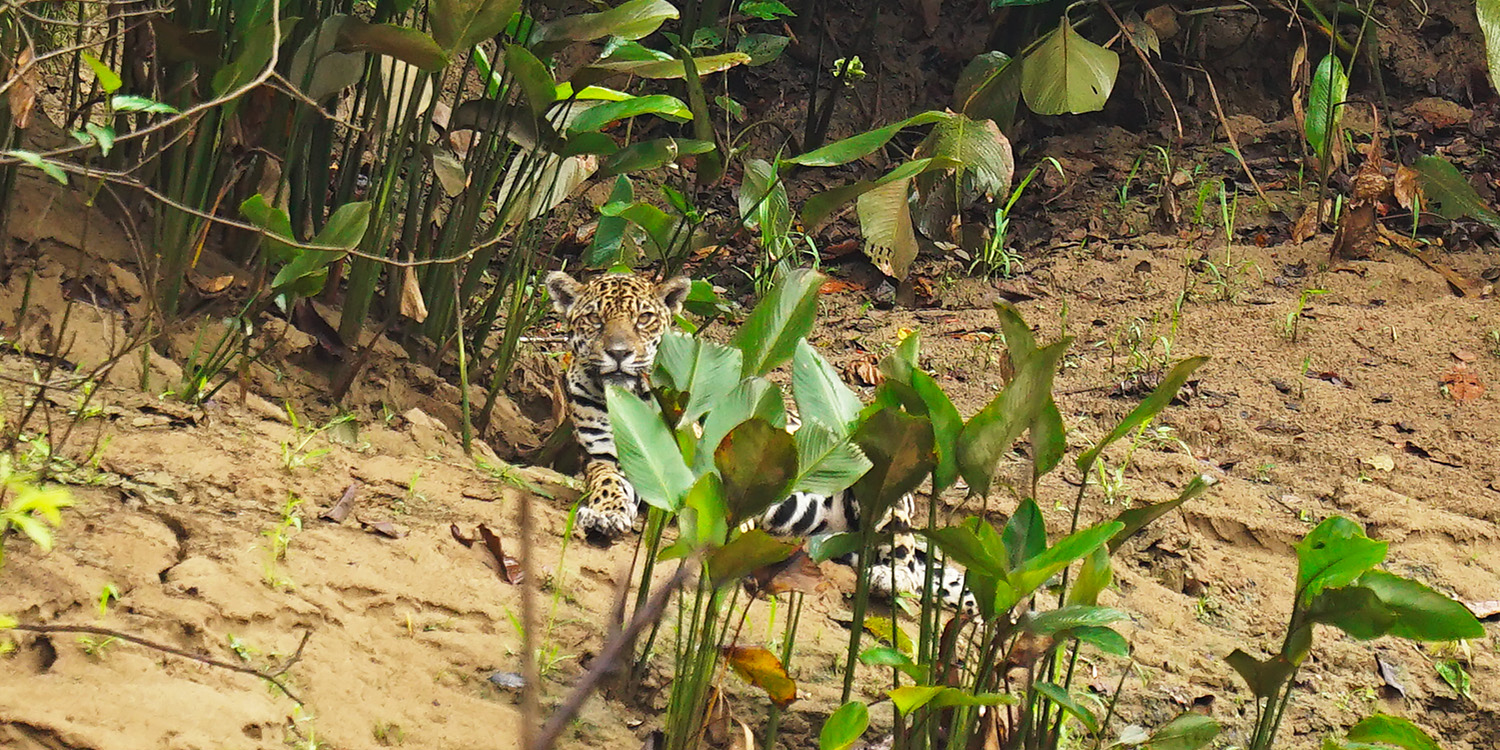
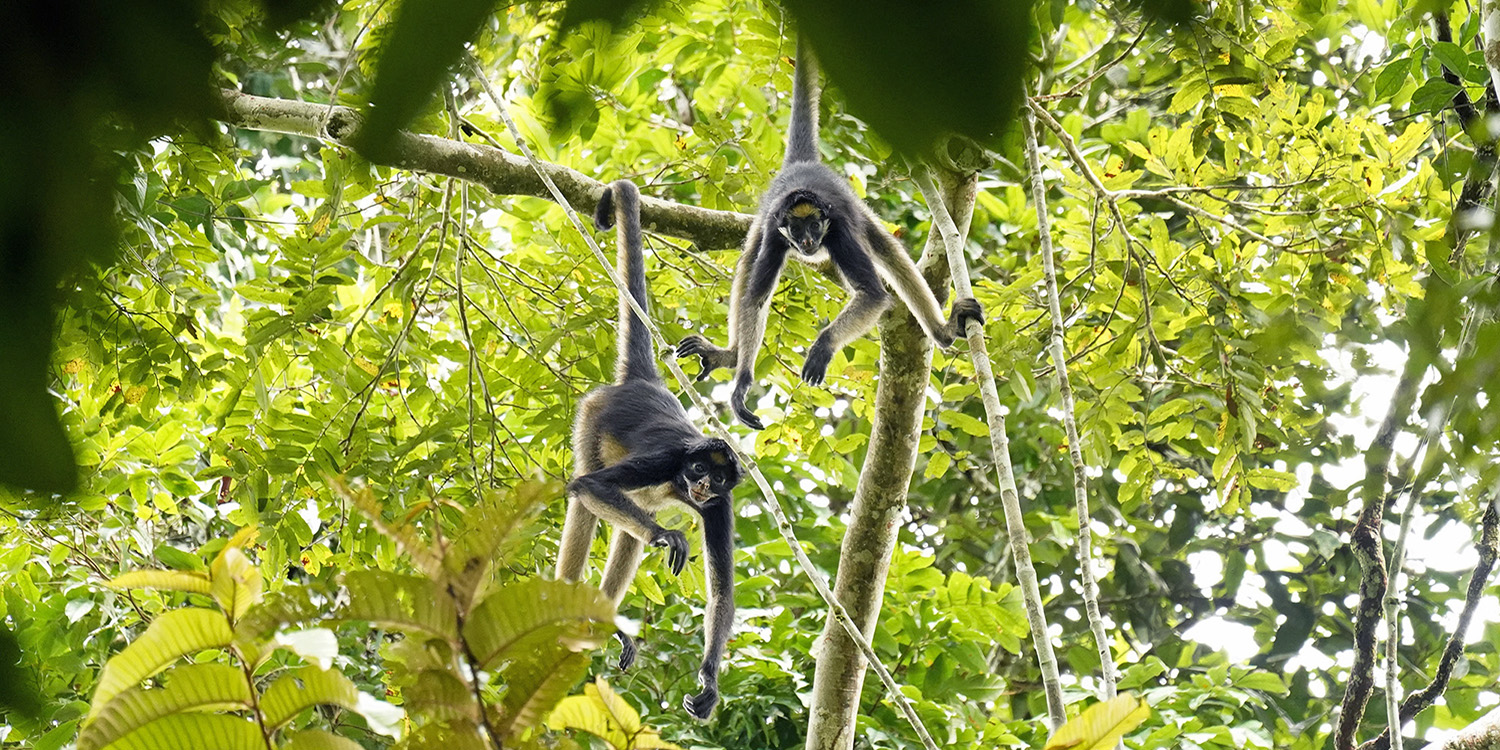
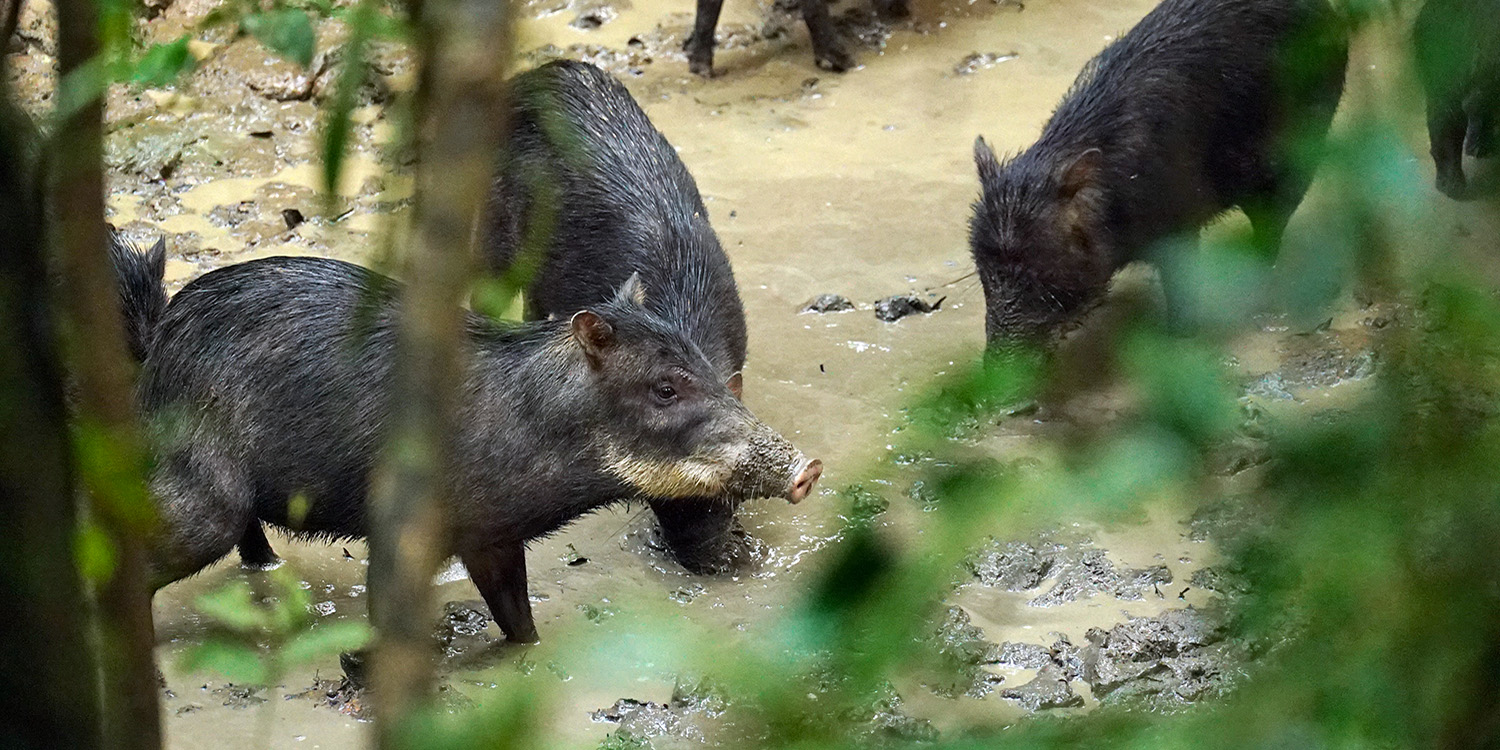
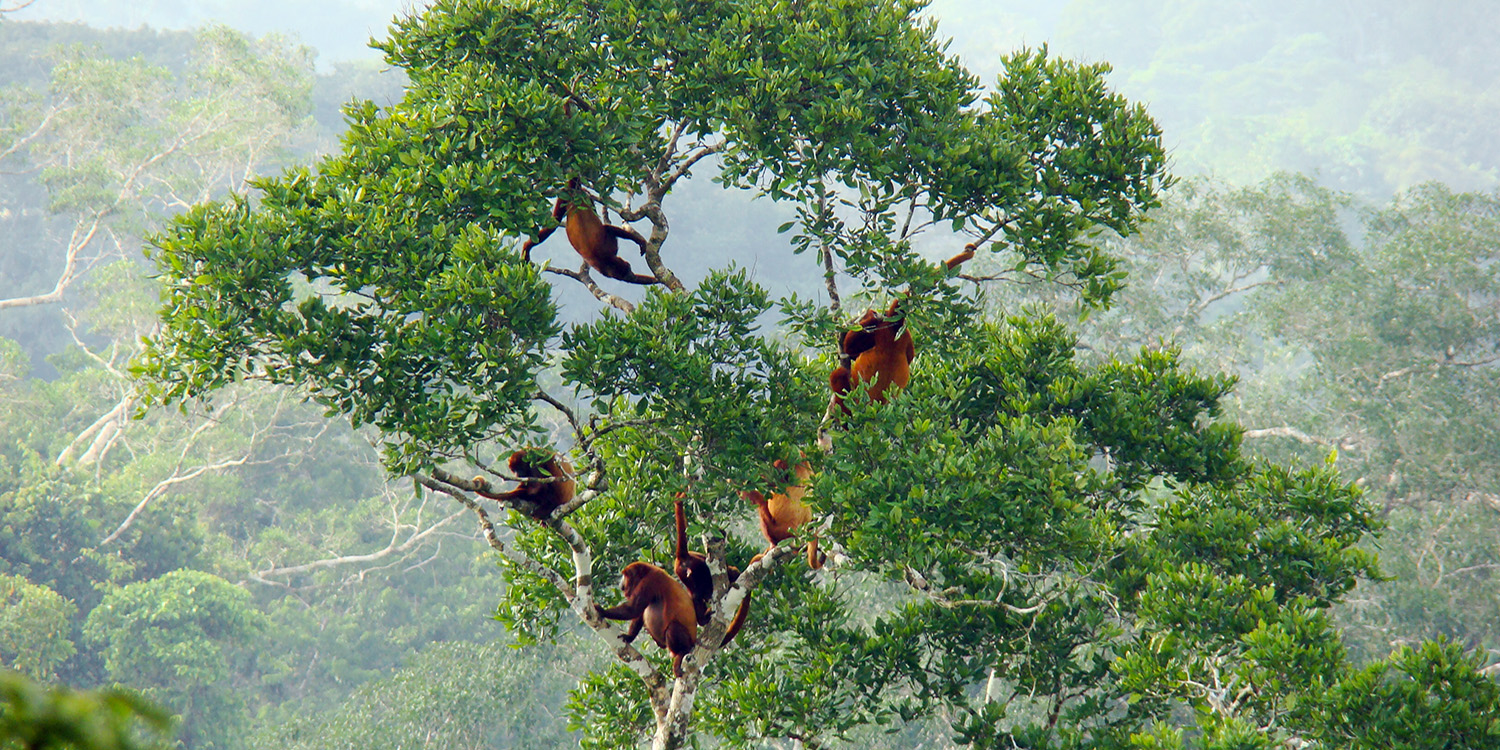
Charismatic megafauna like the tapir, giant anteater, and jaguar (and, of course, lots of monkeys!) are regularly seen at the remote rainforest site where you will live for two weeks.
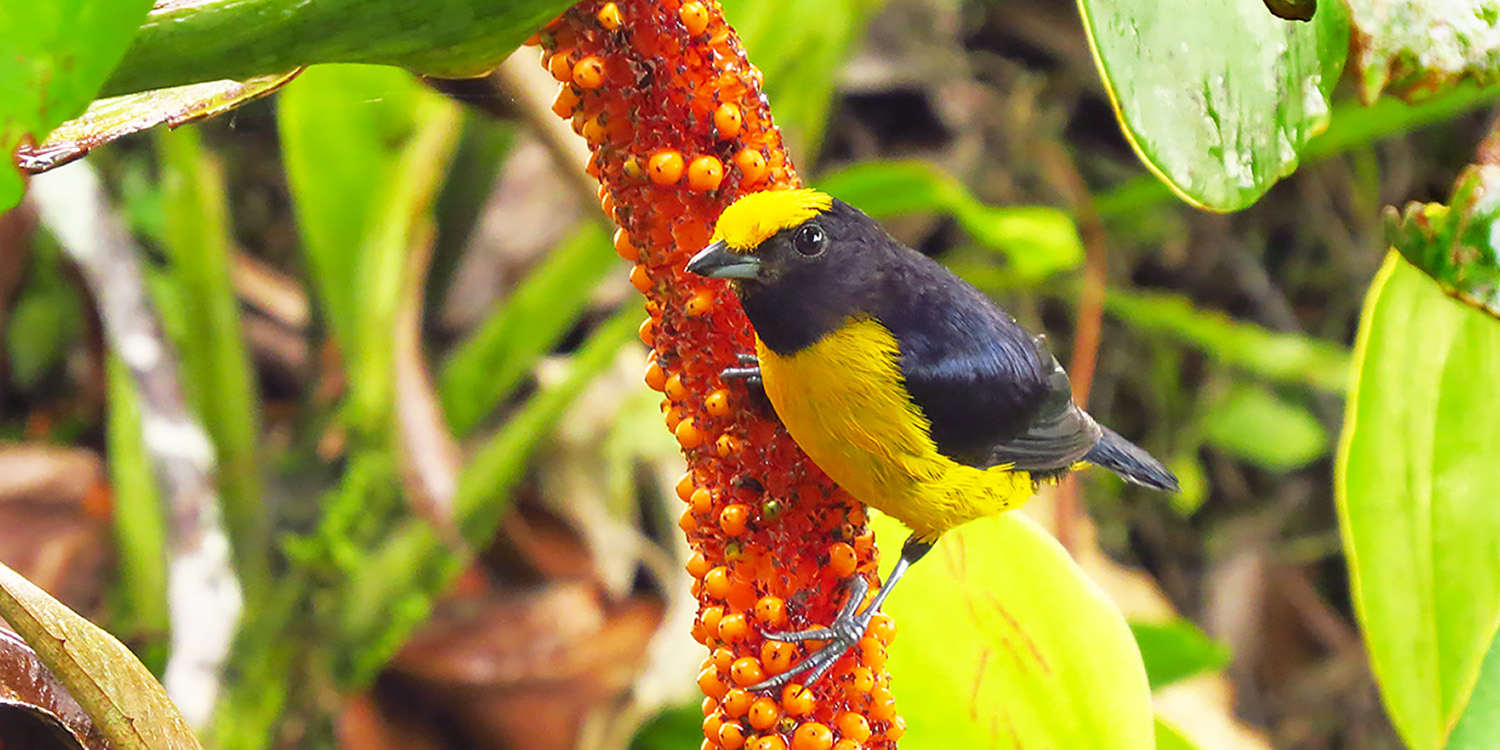
We venture deep within the Amazon rainforest — traveling by plane, bus, and canoe — to explore the world-renowned Yasuní Biosphere Reserve. With 10 species of primates, 5 species of cats, more than 540 species of birds and a record-breaking 1600 species of trees in just one hectare, this is definitively the most biodiverse location on Earth!
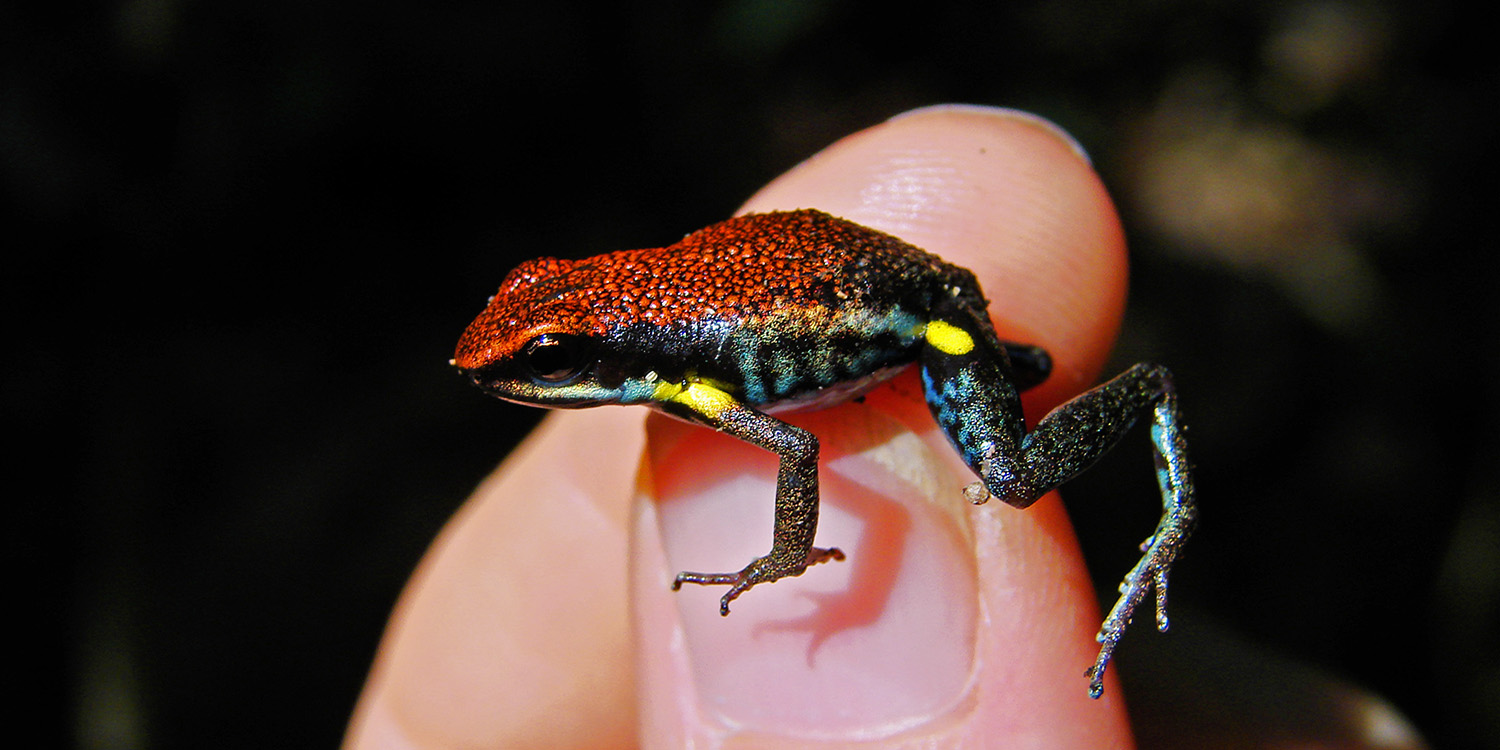
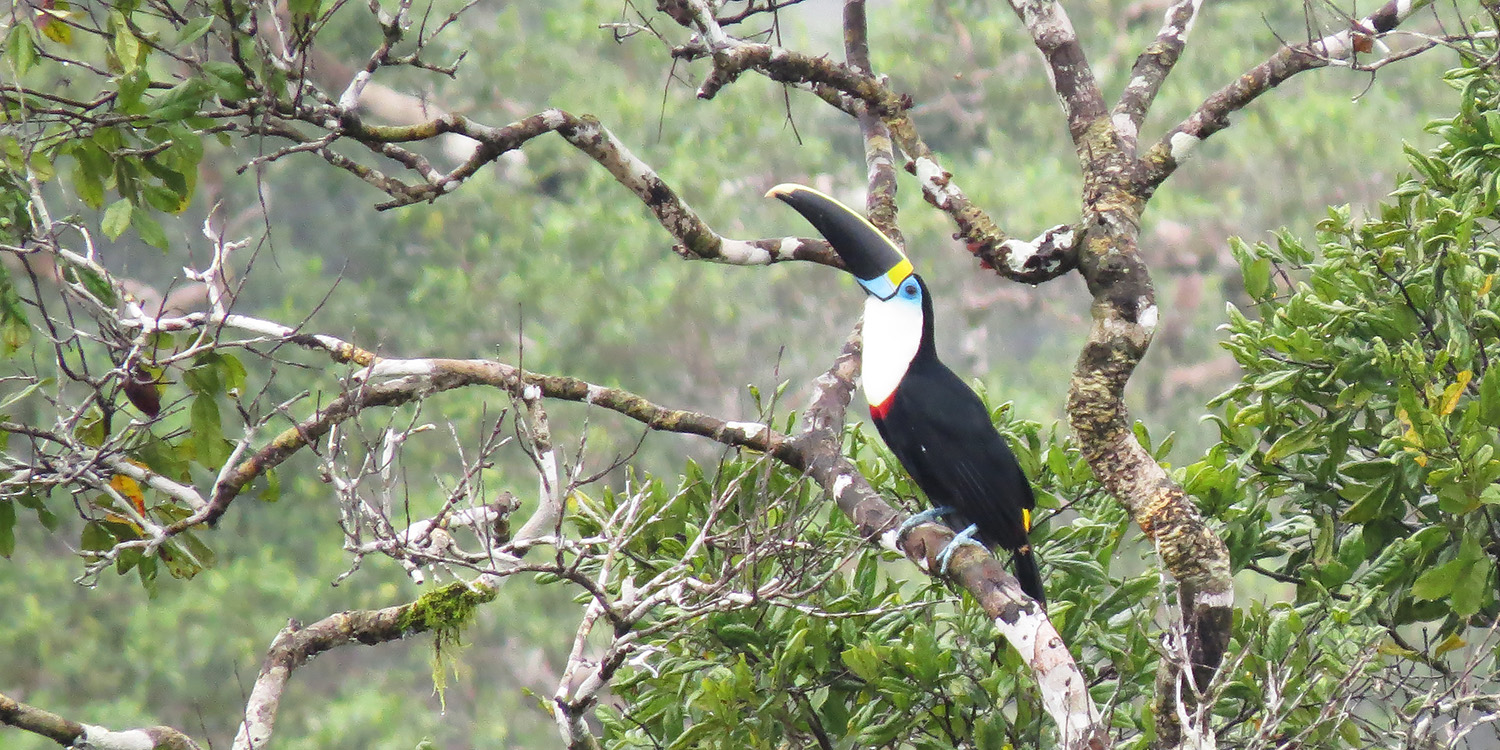
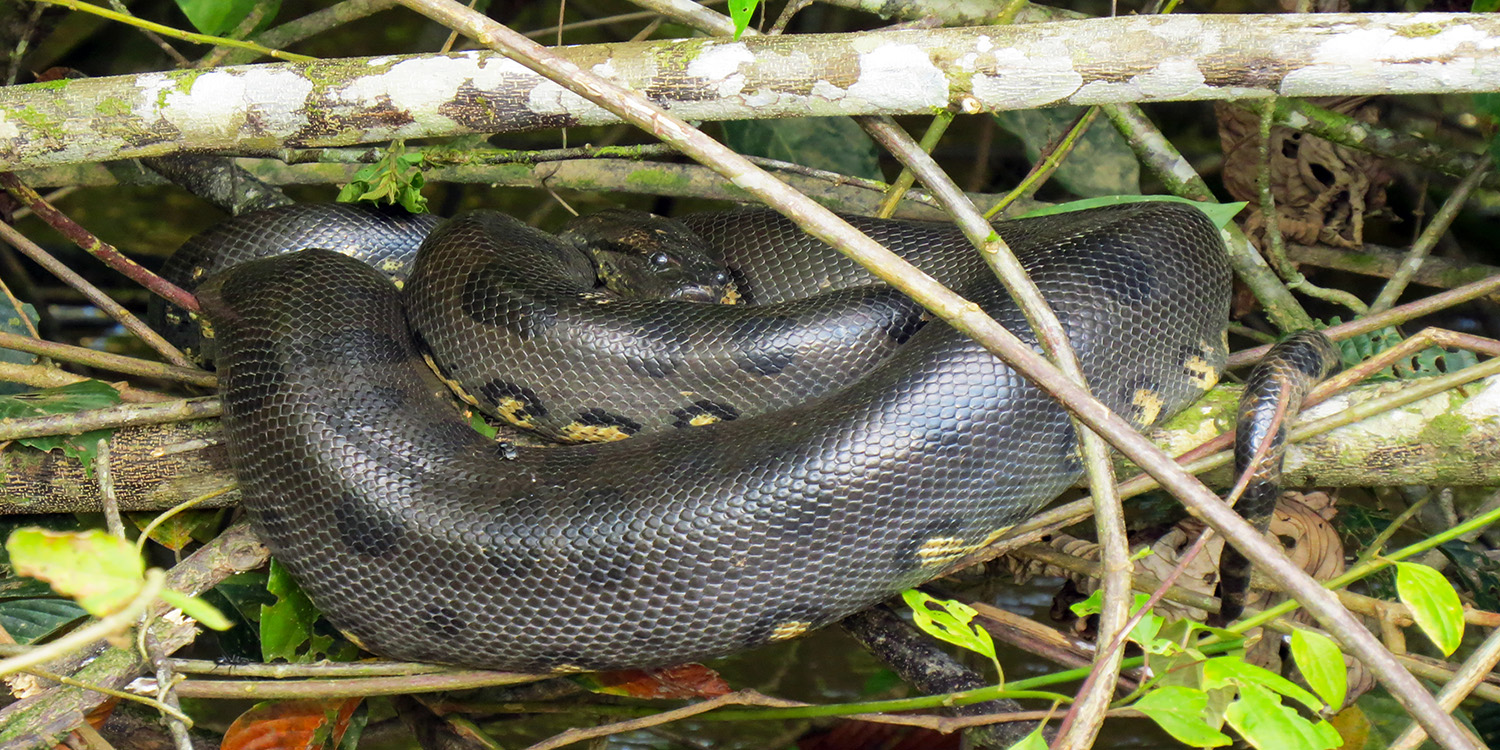
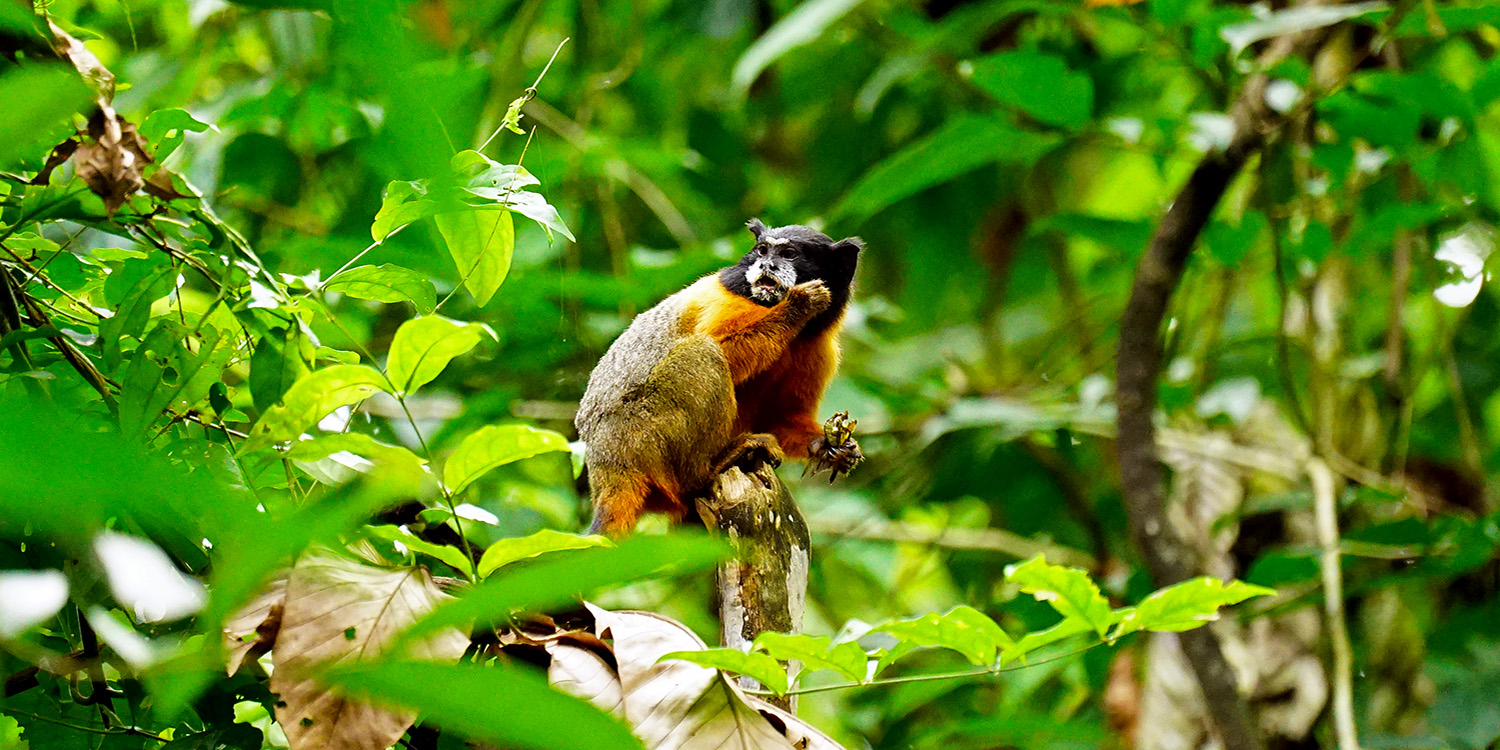
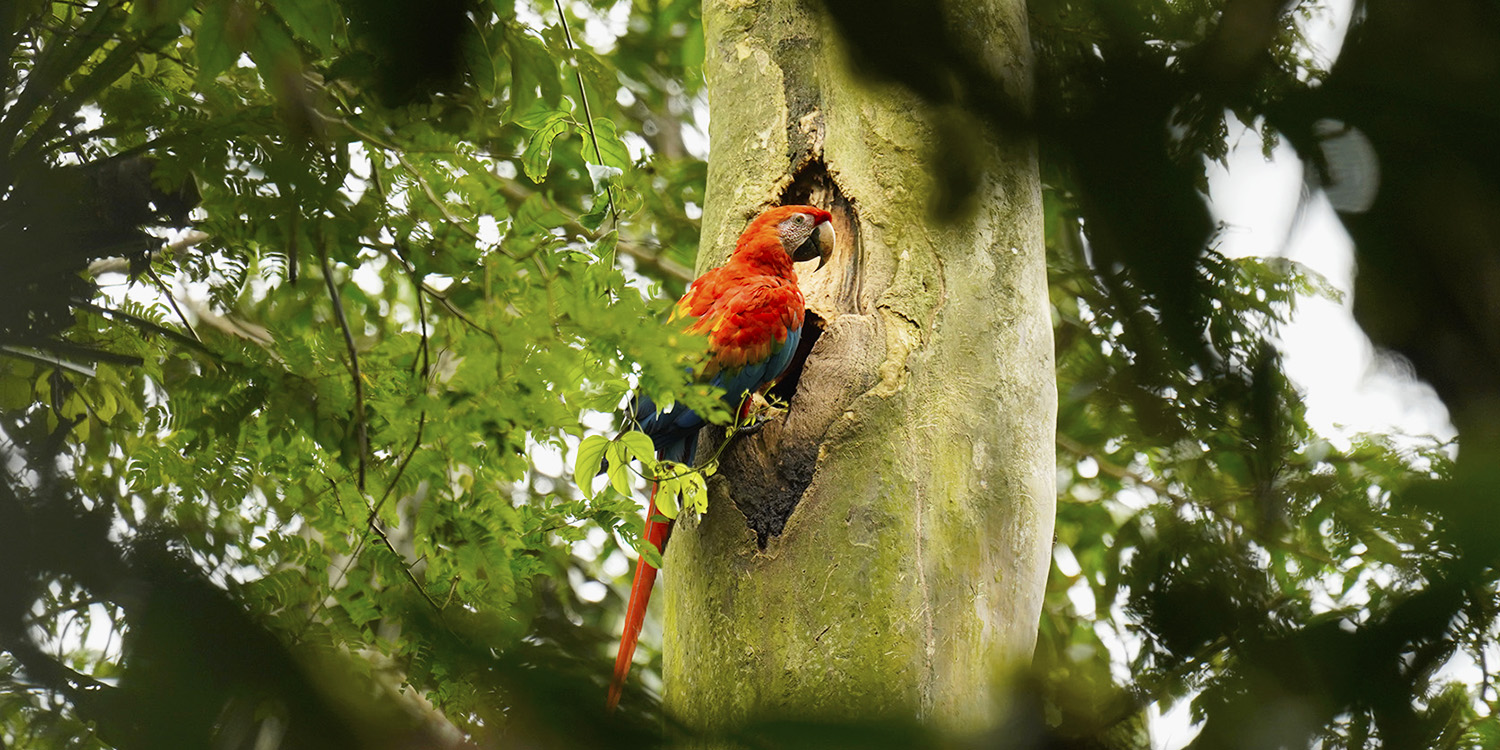
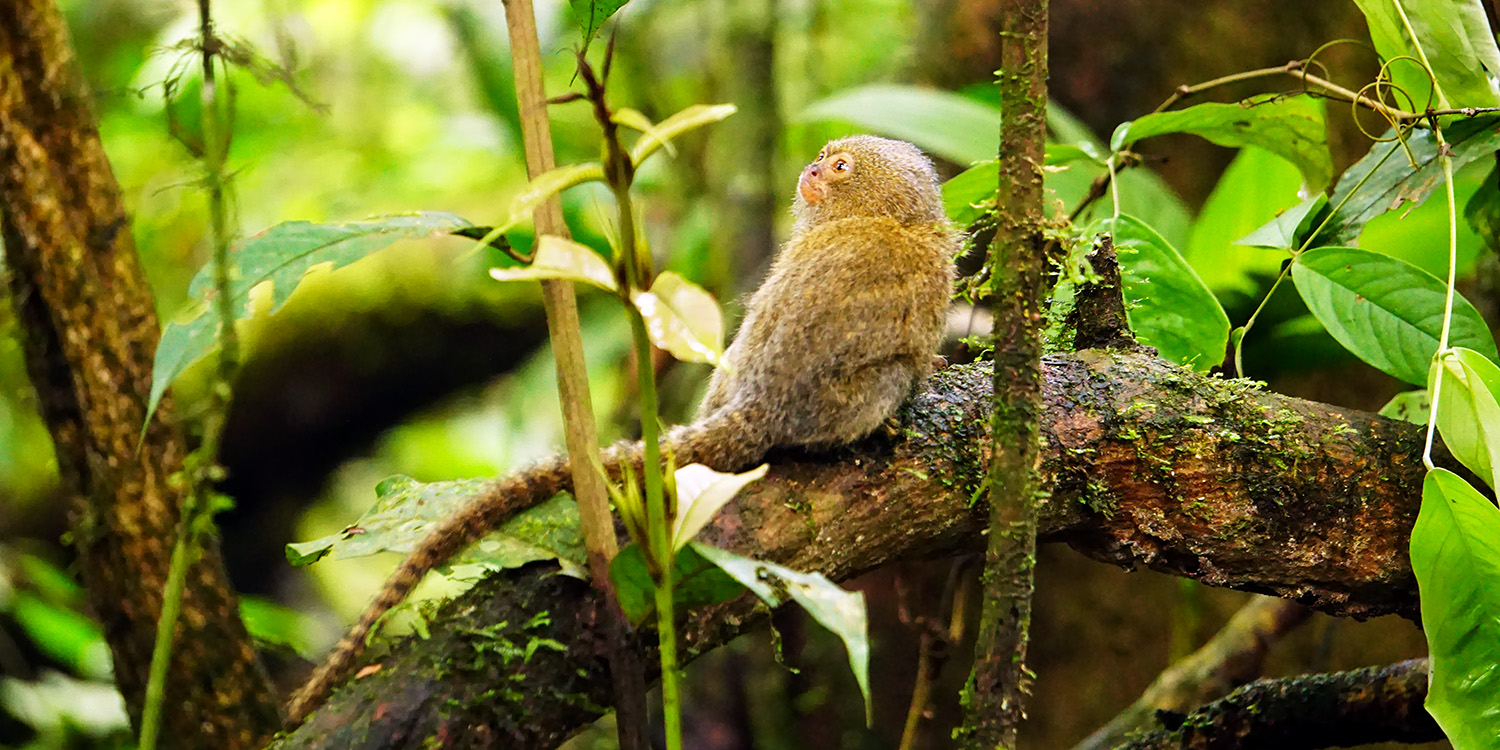
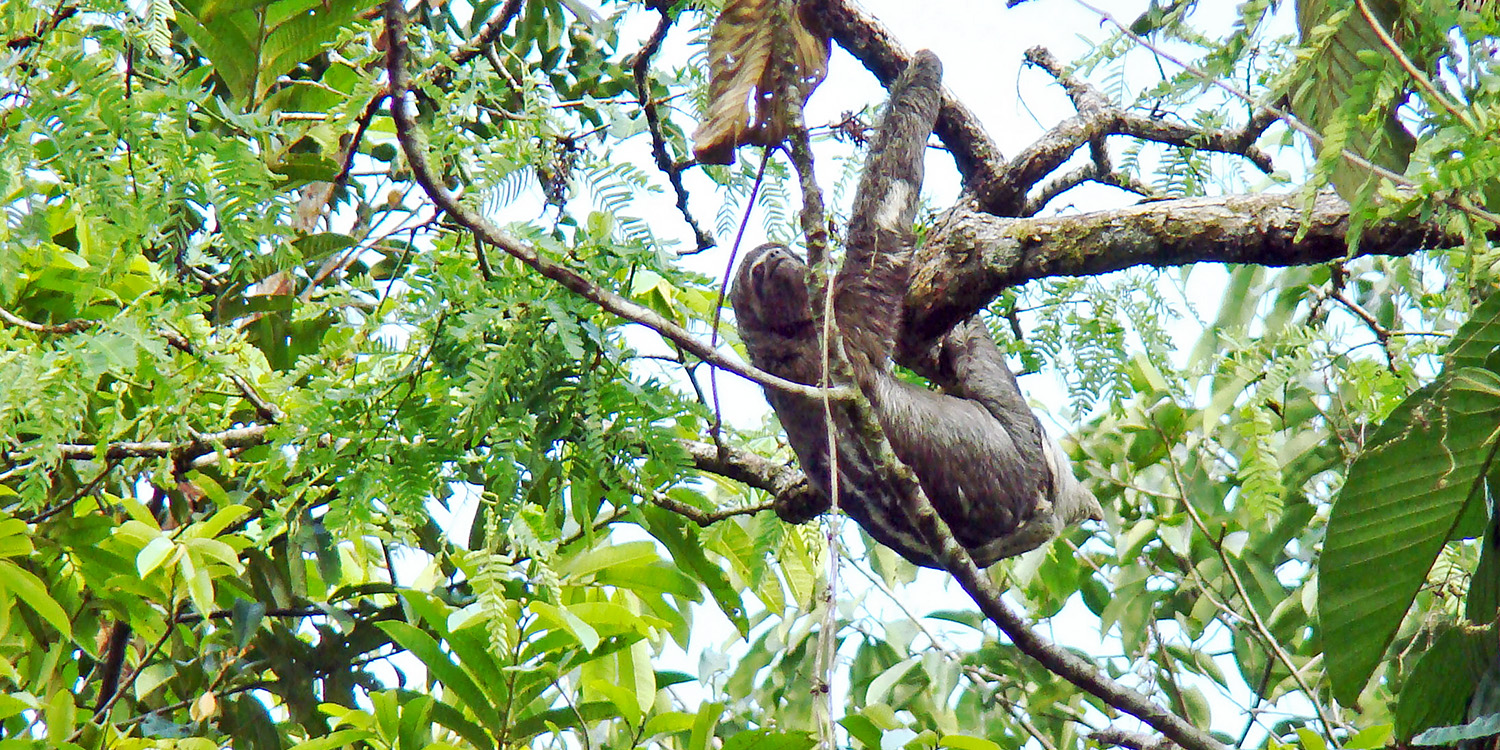
Sightings of fantastic wildlife are guaranteed during our two-week immersion on the banks of the Tiputini River. Highlights include tamarins and pygmy marmosets, two and three-toed sloths, toucans and macaws, poison-dart frogs, anacondas, and maybe even a jaguar. On your way out, you’ll experience the culture of Kichwa communities living in the Amazonian lowlands.
This 1,600 acre research station shares a boundary with Ecuador’s largest protected area, Yasuní National Park, and lies within the Biosphere Reserve.
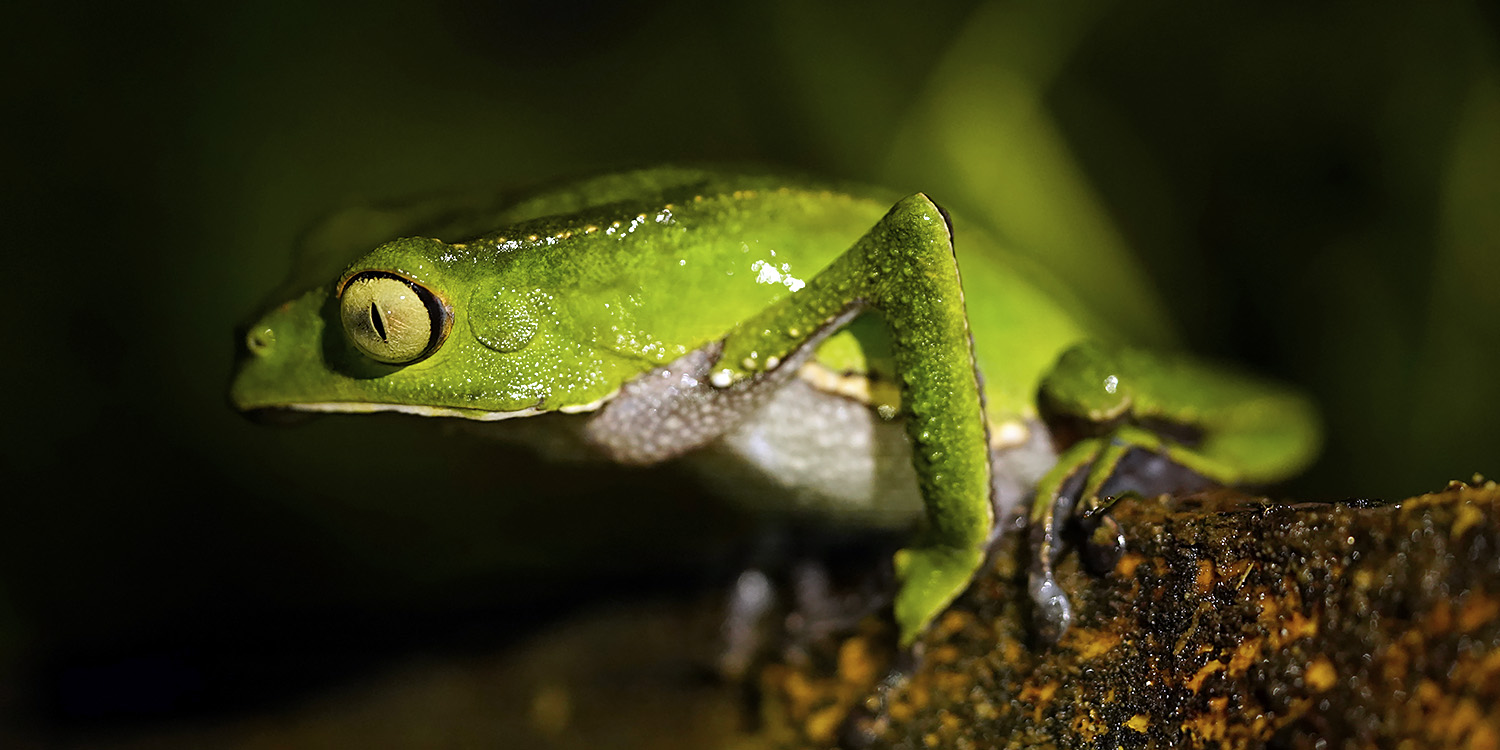
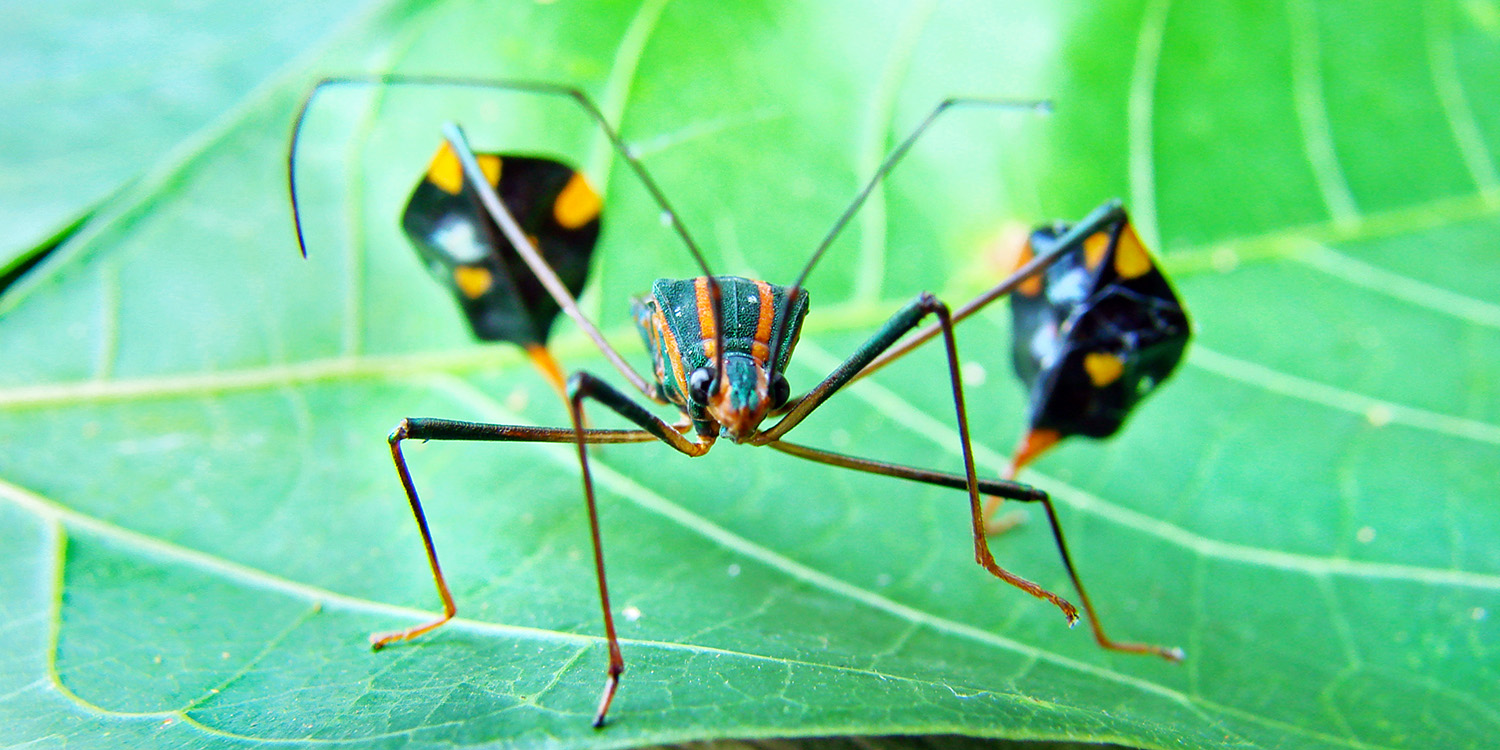
Here you will have the opportunity to join world class researchers for dinner after a long day in the field. We explore trails, lagoons, and salt licks, always alert for the sound of monkeys crashing through the trees. Before dawn, you’ll climb a massive Ceiba tree to a lofty tower overlooking the canopy, where macaws fly by as the sun rises. After a hot day, we’ll go floating down the muddy Tiputini in search of pink river dolphins and enjoy a cool swim. As night falls, all manner of animals emerge, from tree frogs and colorful insects to owl monkeys and tapirs.
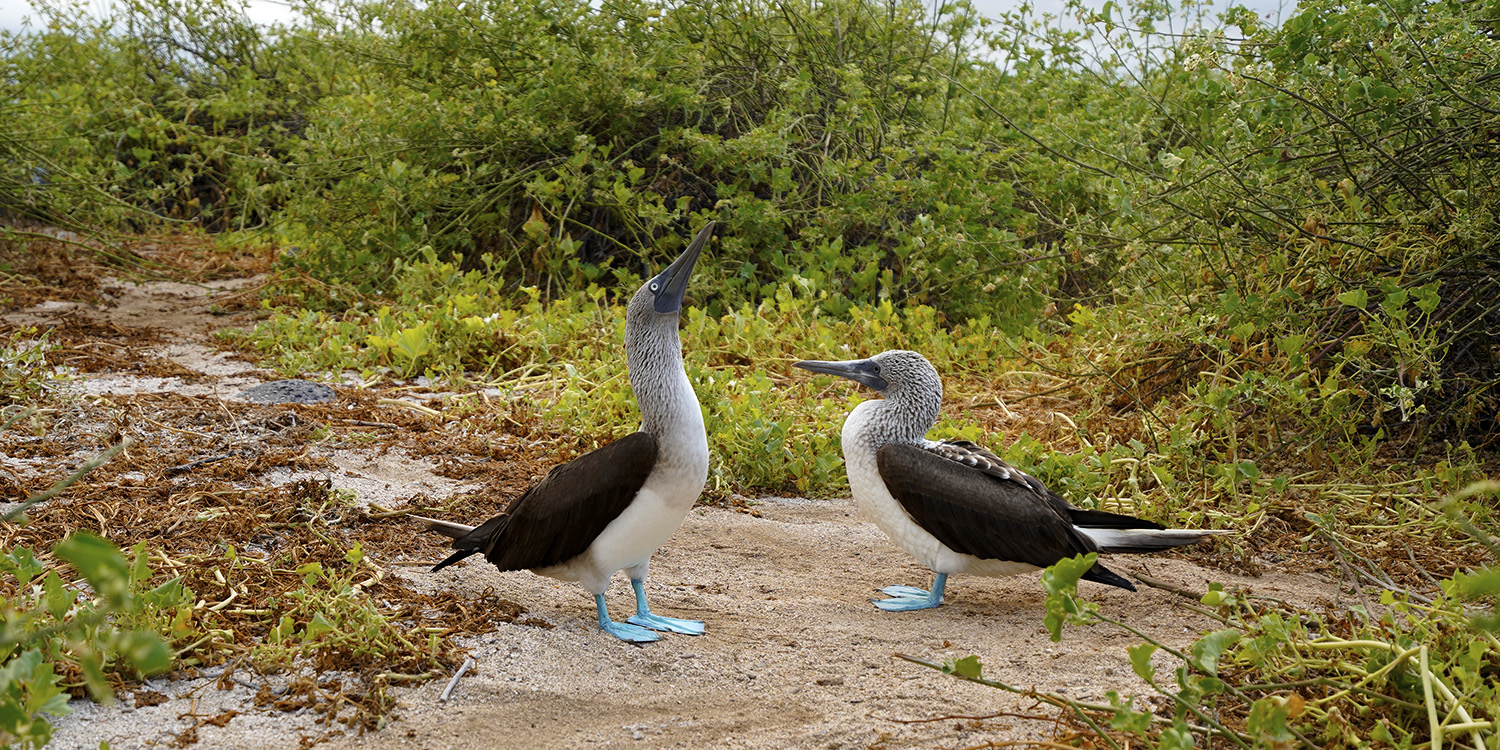
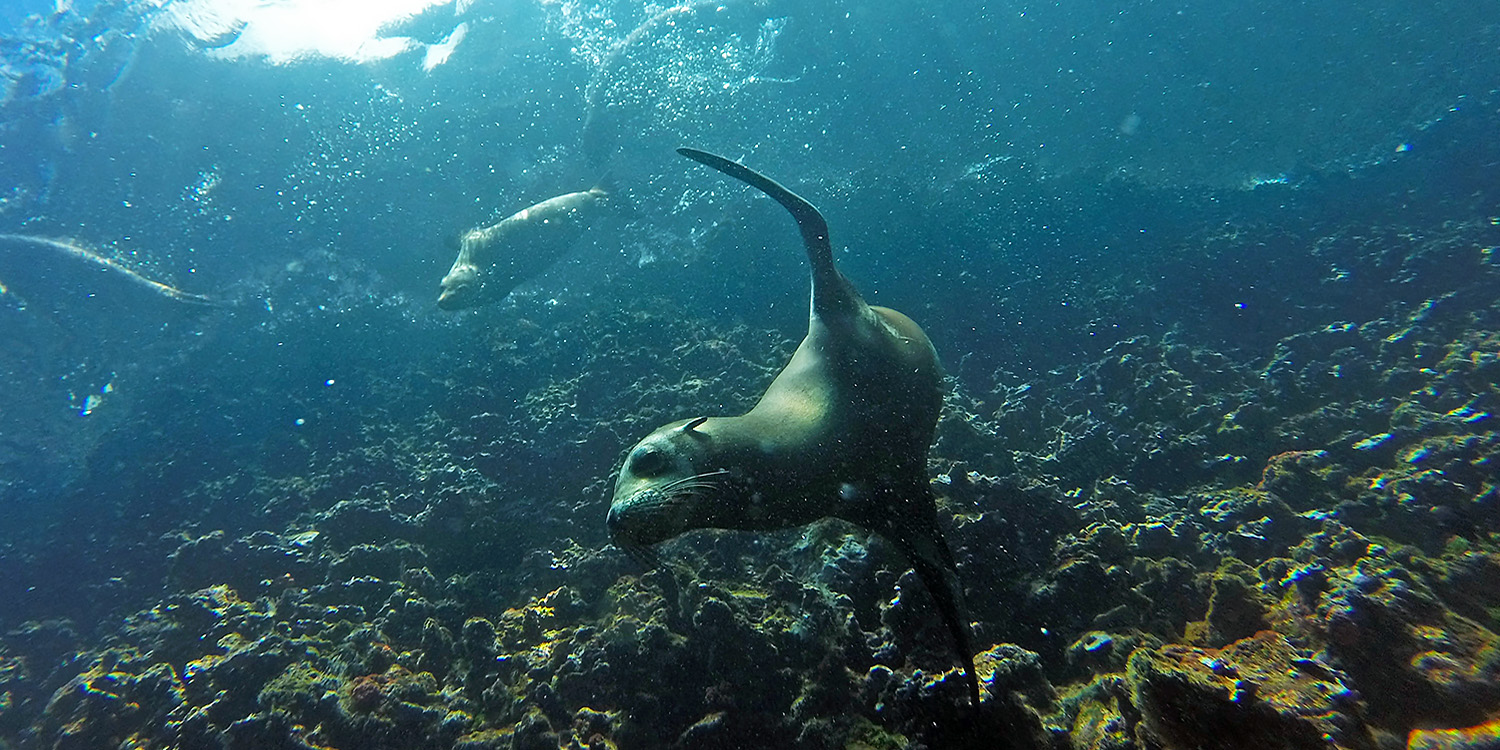
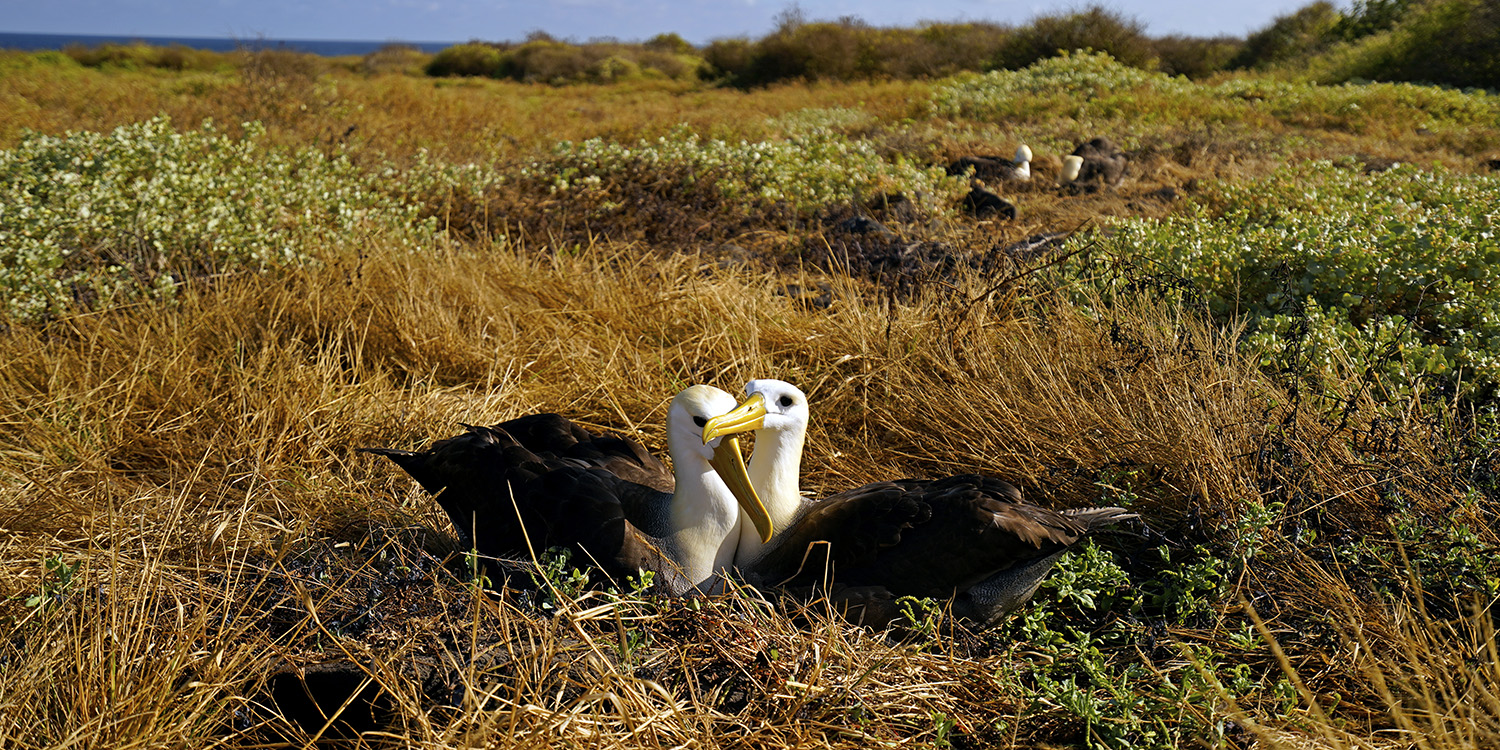
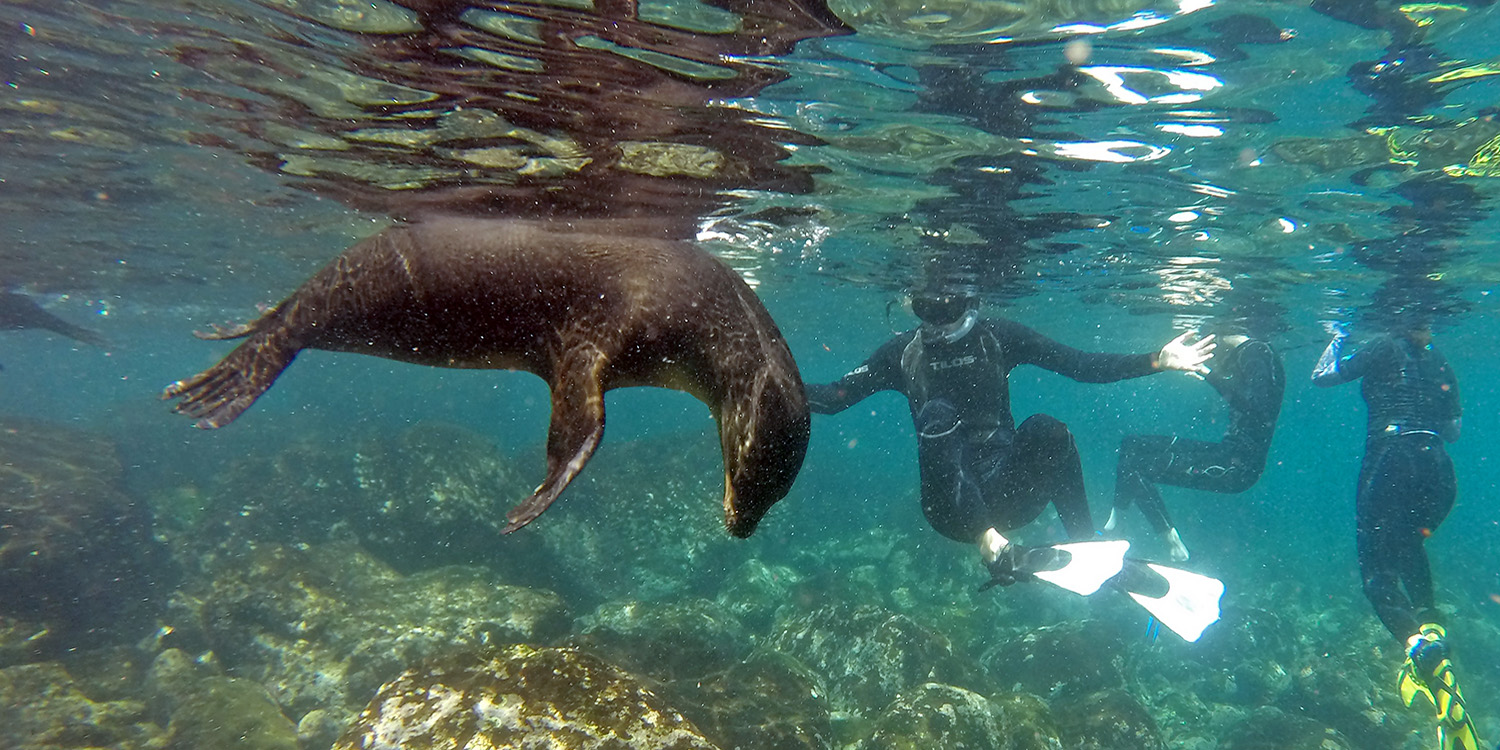
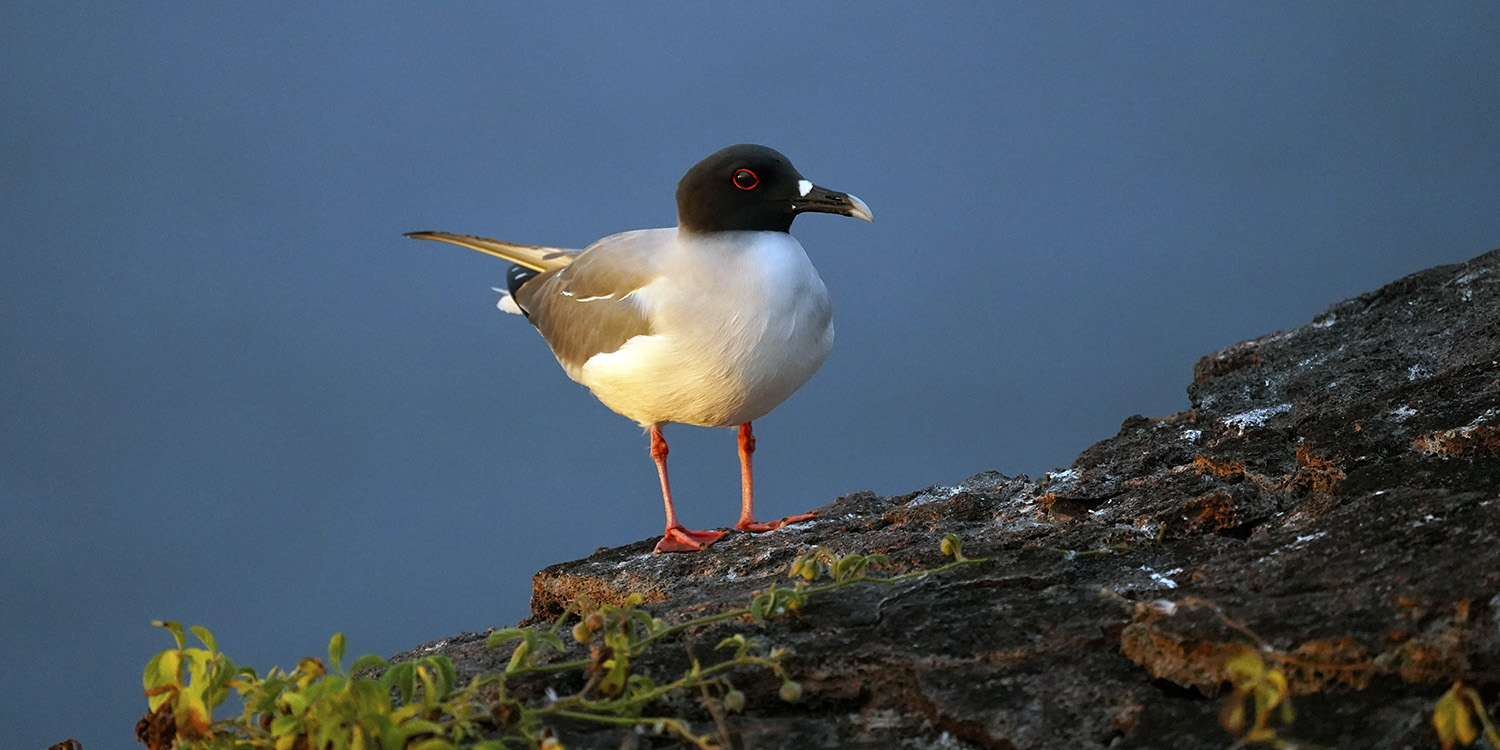
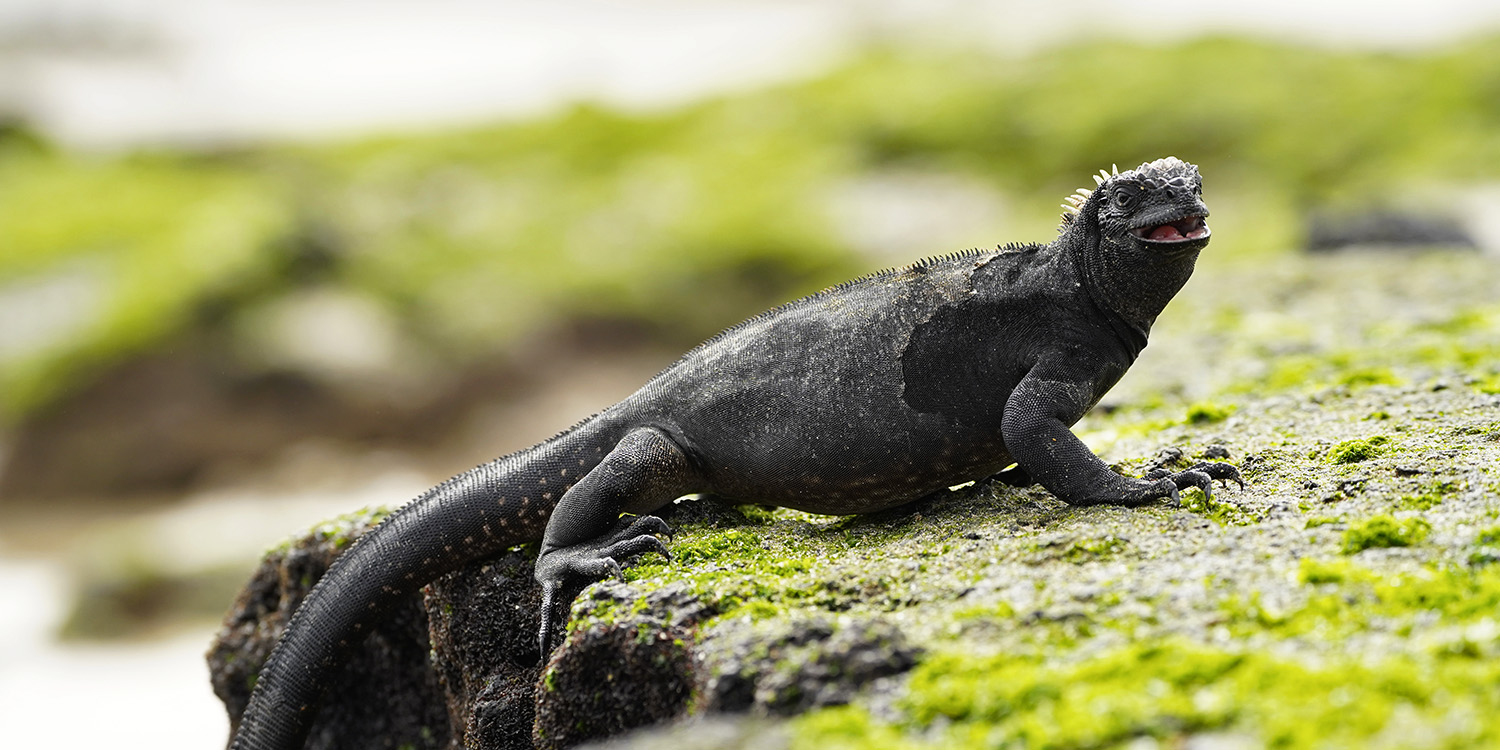
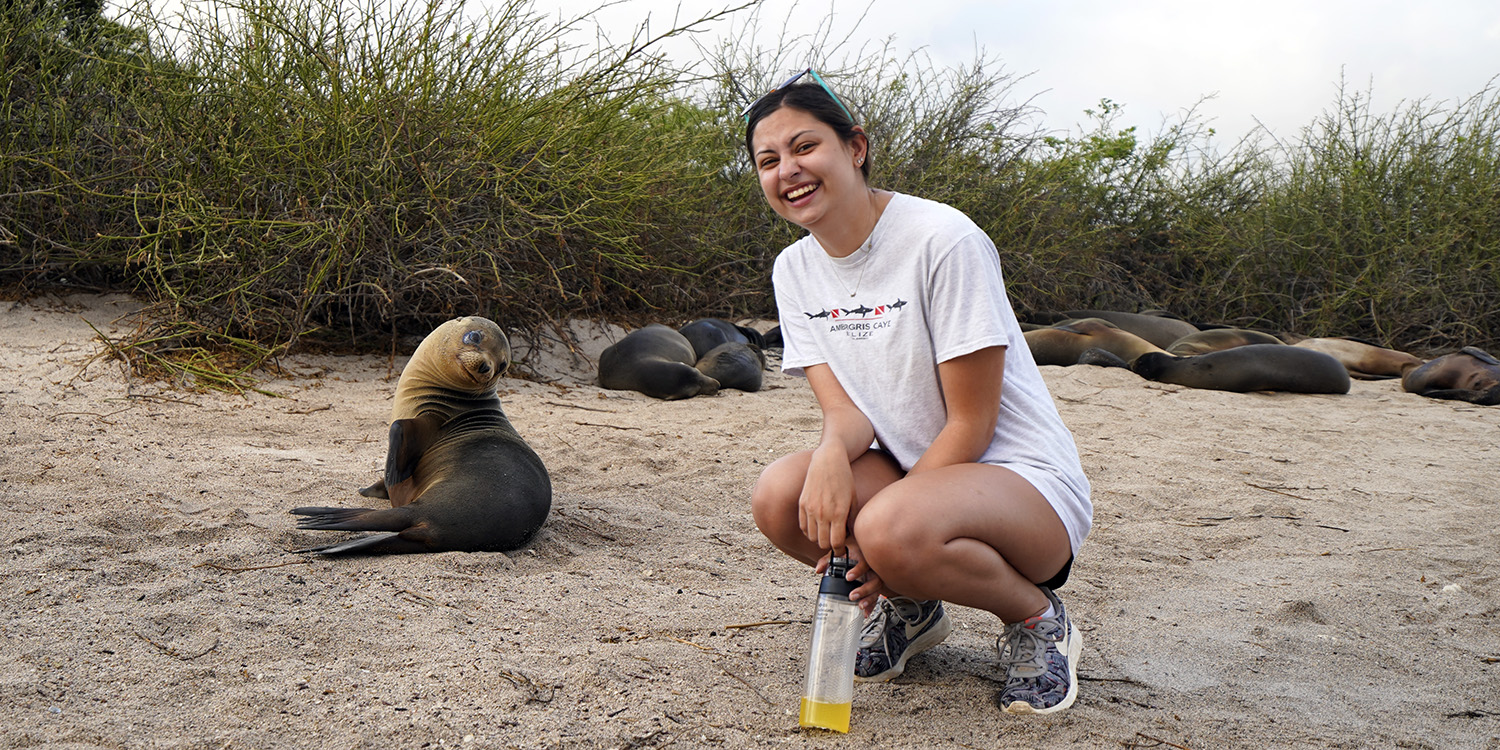
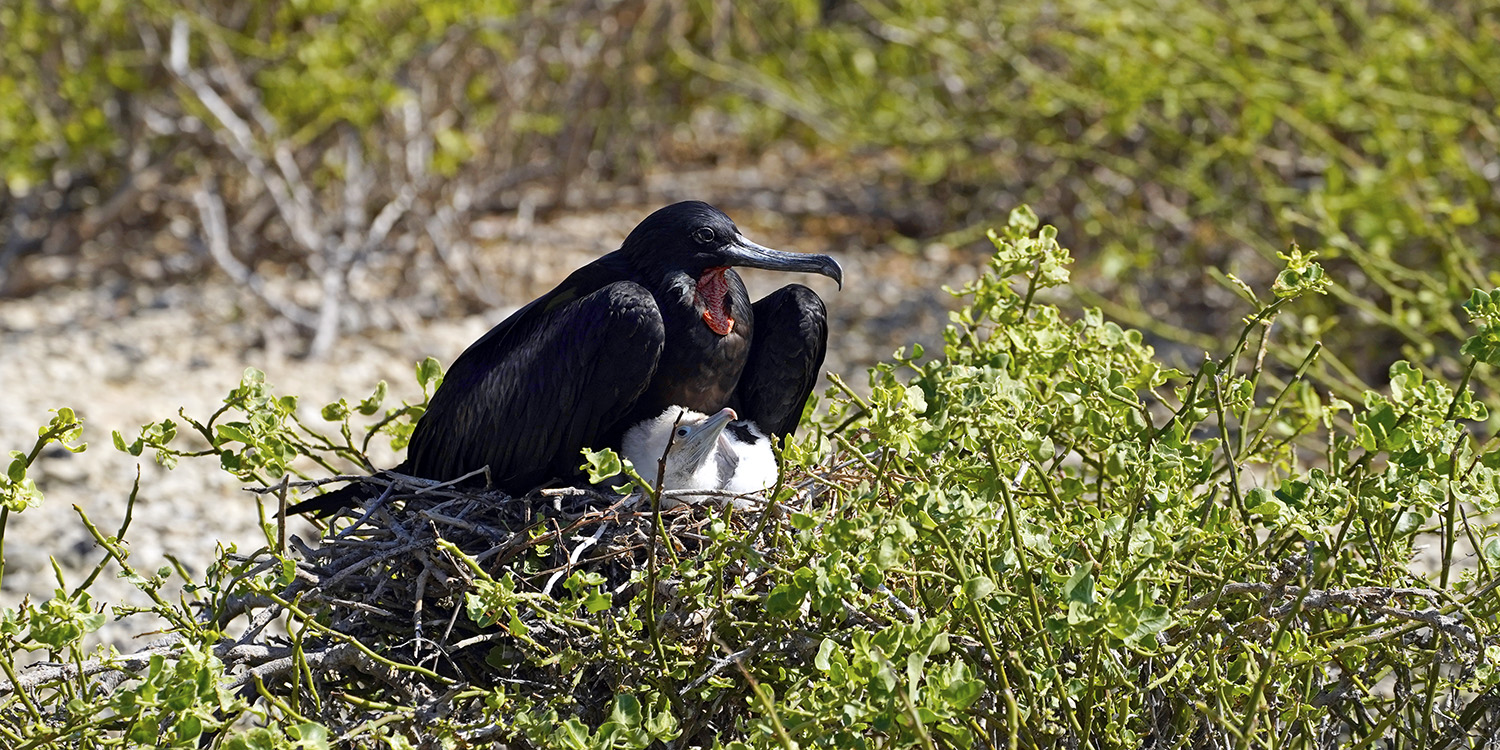
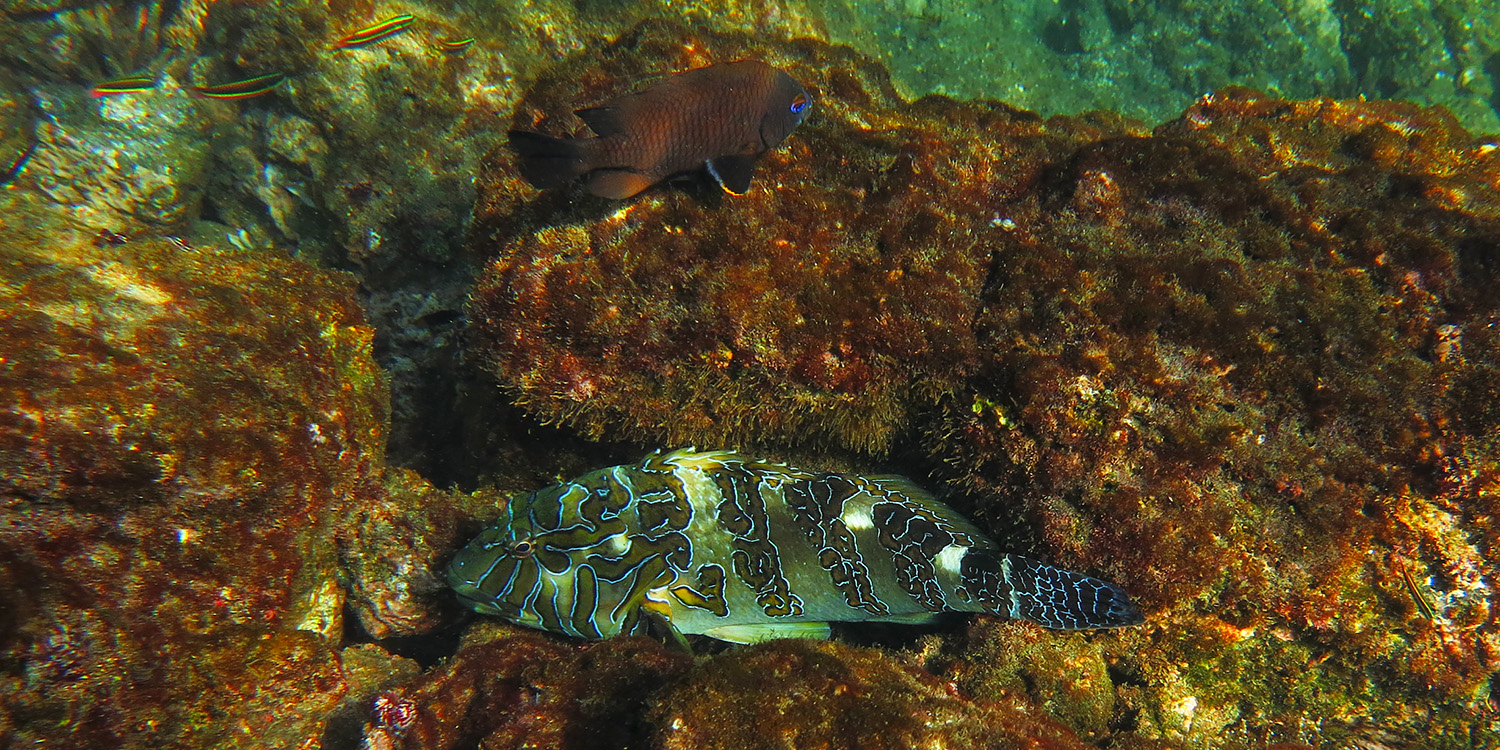
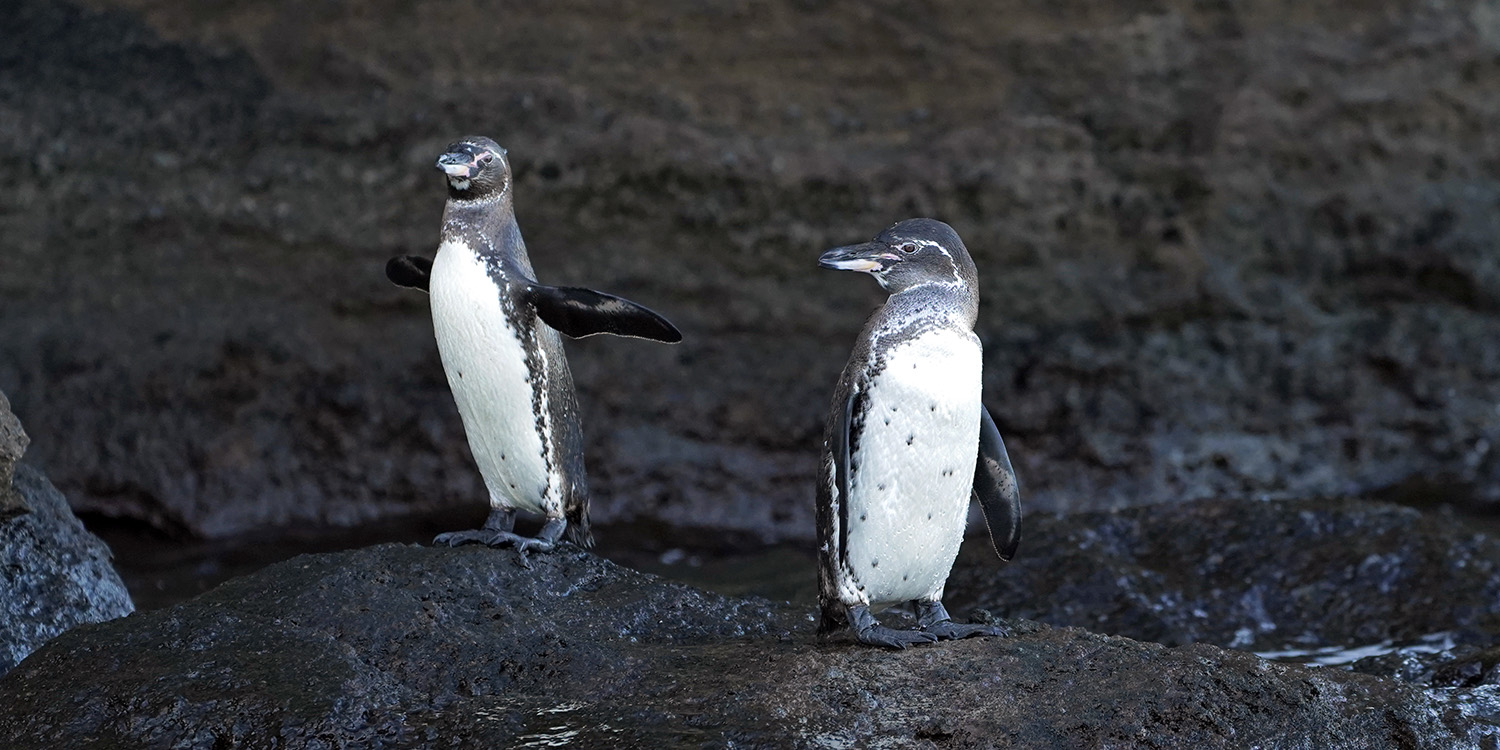
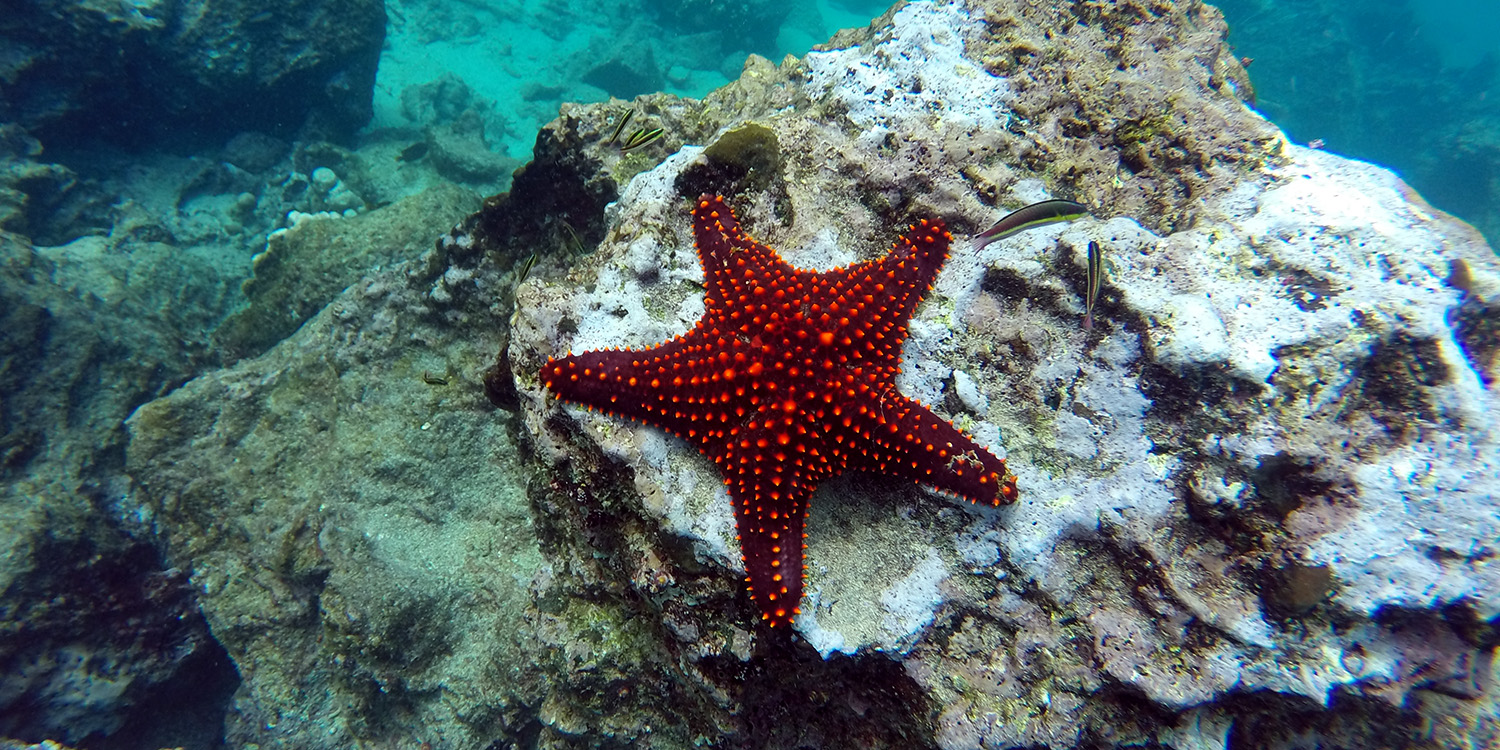
Cruise the world-famous Galapagos archipelago for a week and live among penguins, dolphins, frigate birds, boobies, tropical fishes, sea lions, and giant tortoises.
Famous for its role in inspiring Darwin’s theory of evolution, this archipelago of 19 islands is an unparalleled showcase of diversity and speciation.
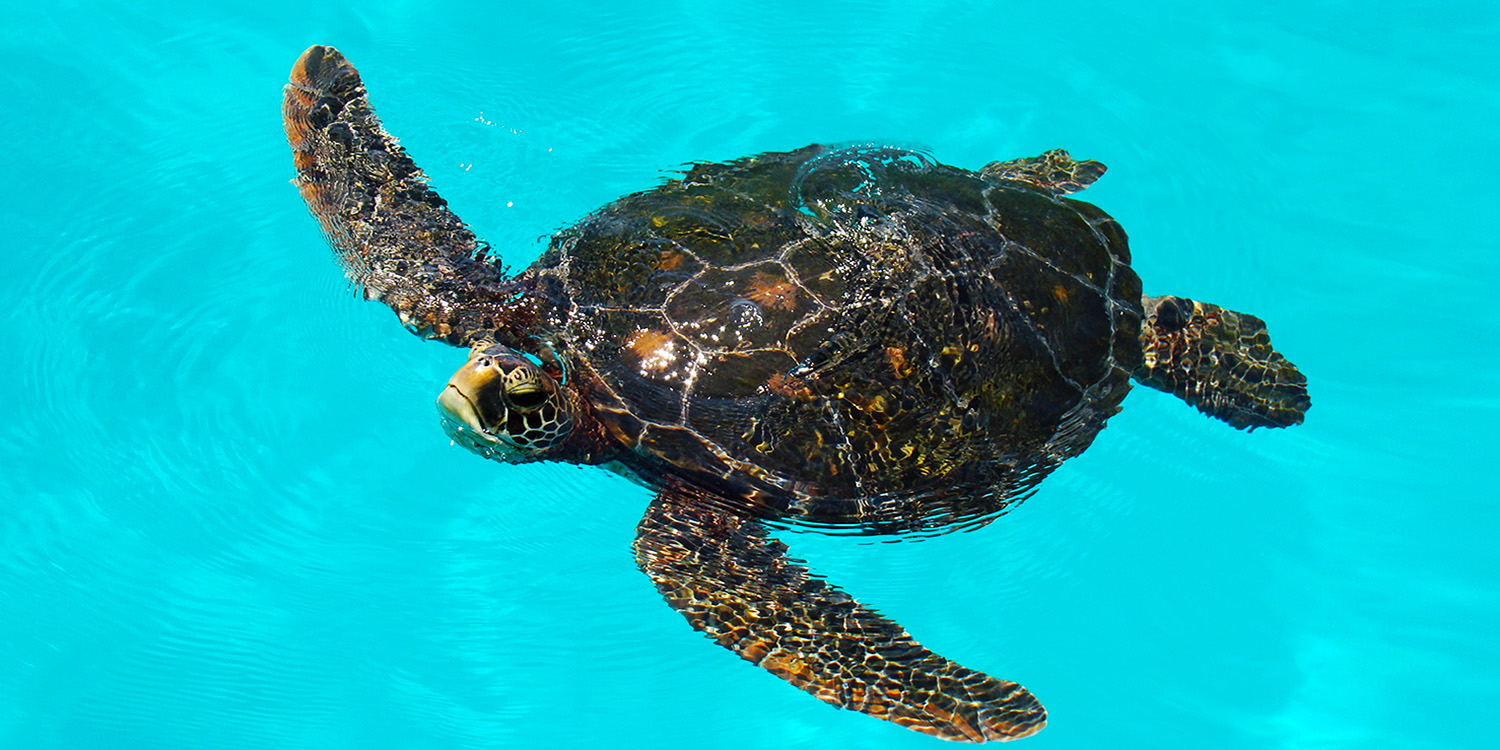
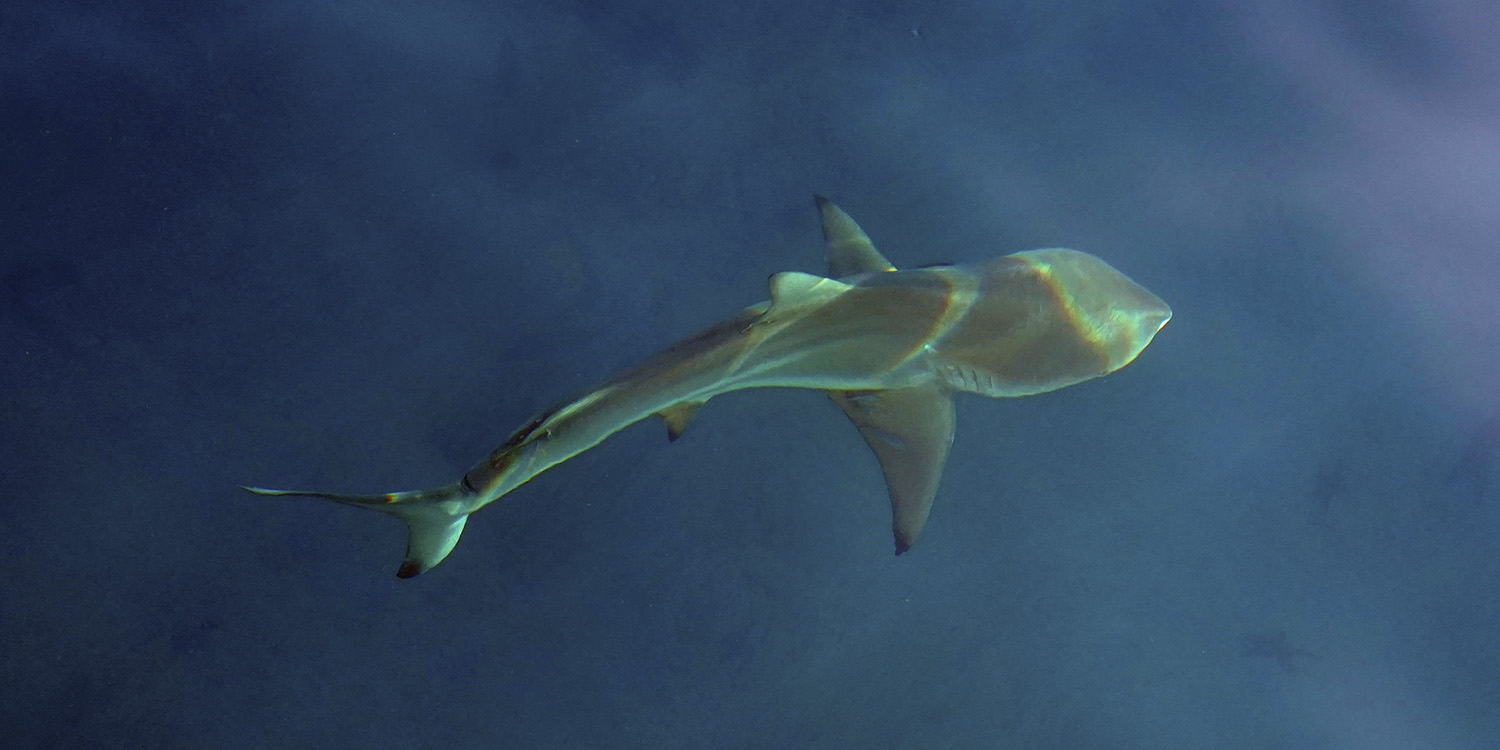
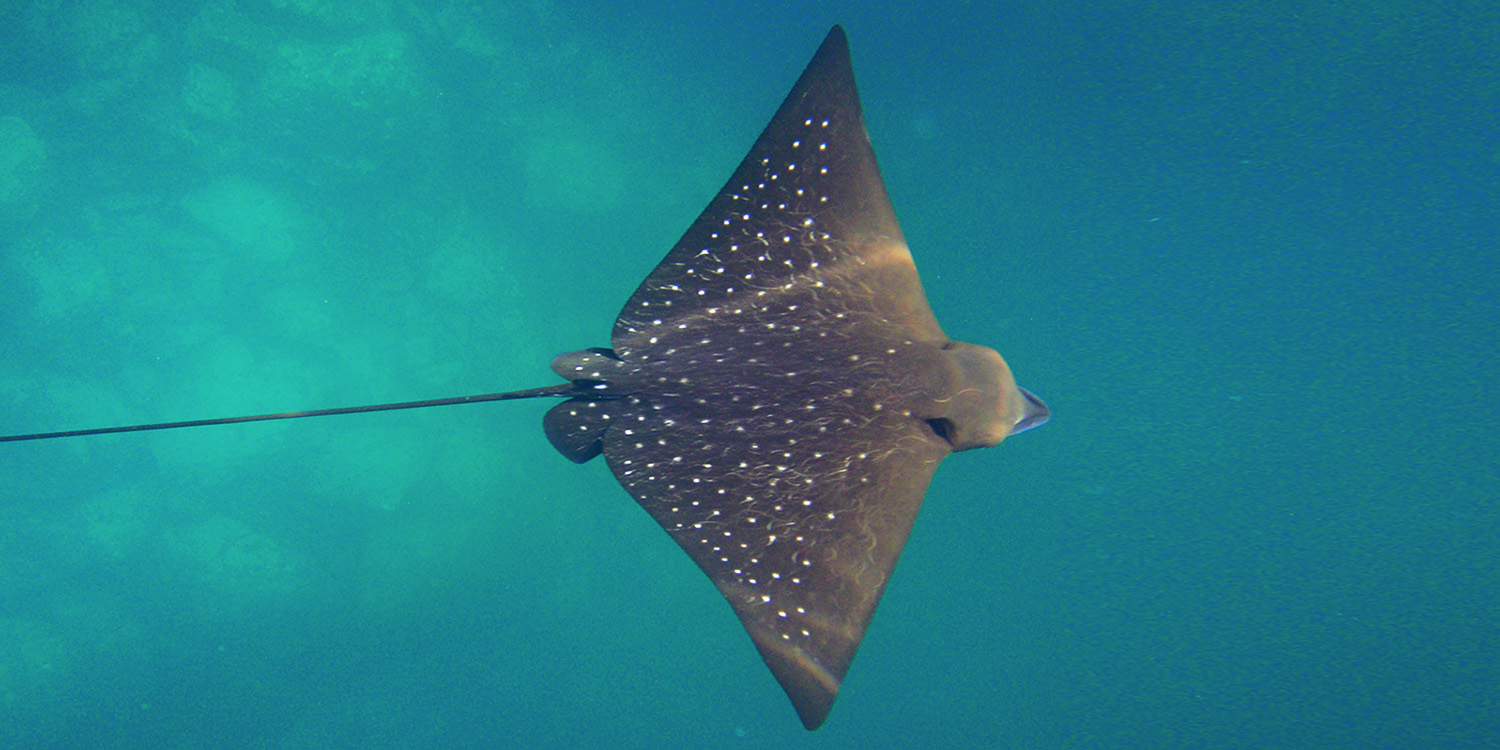
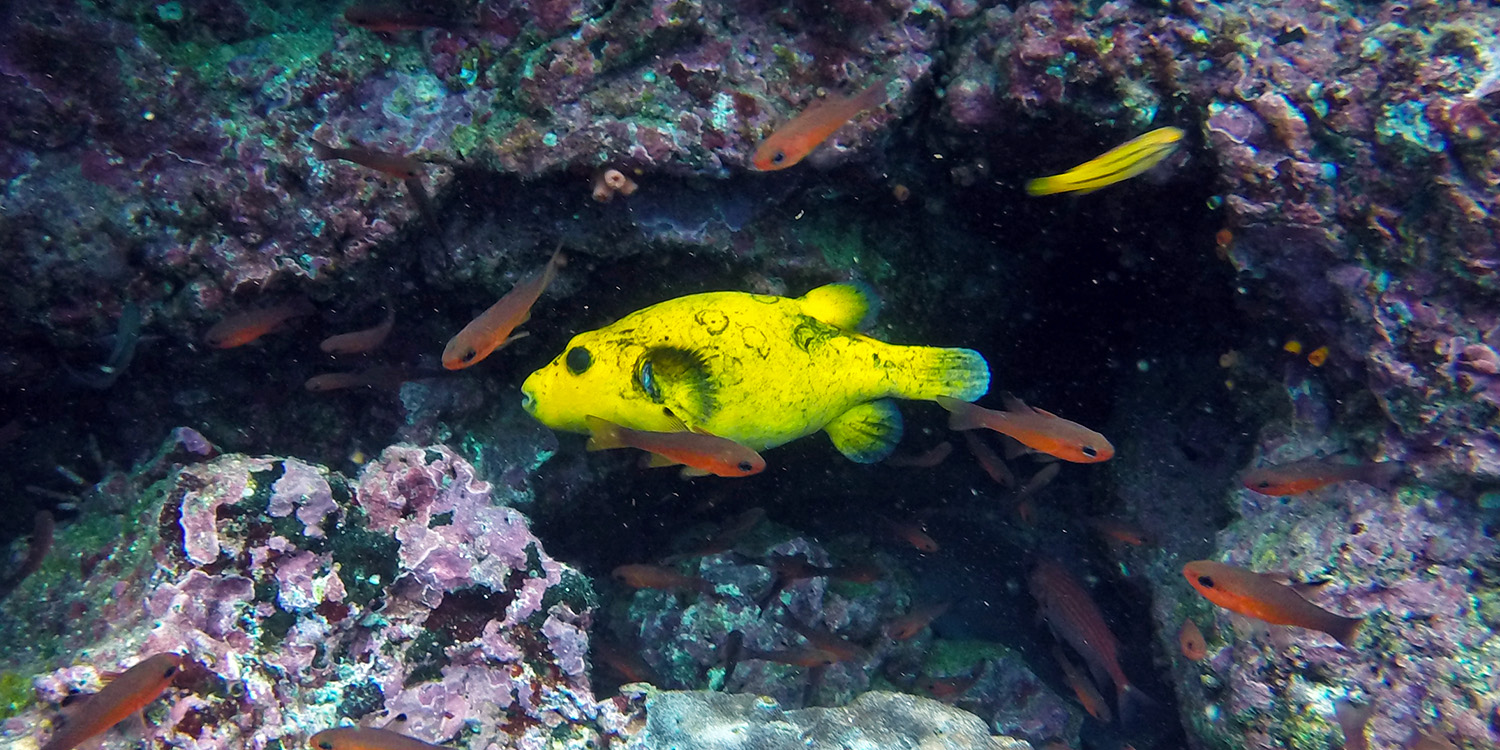
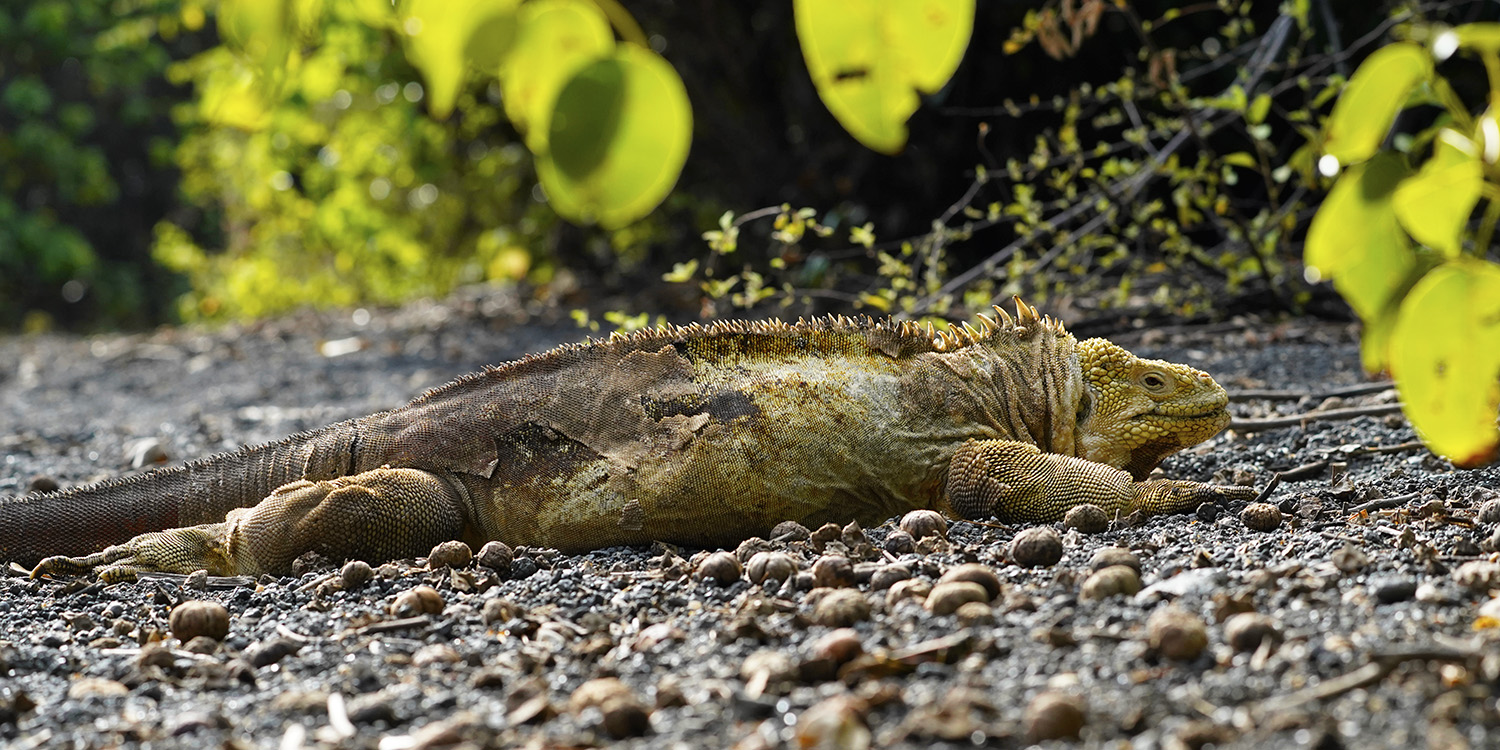
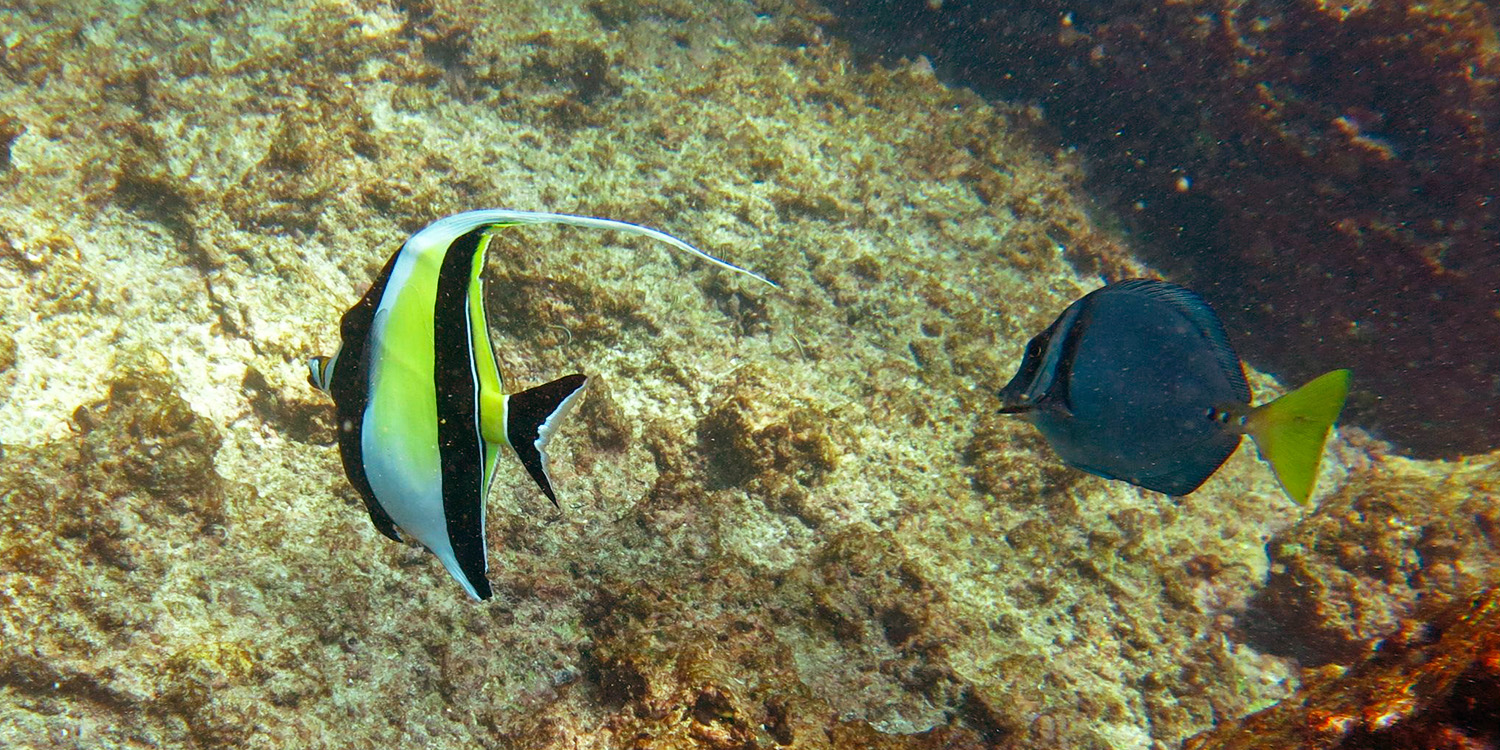
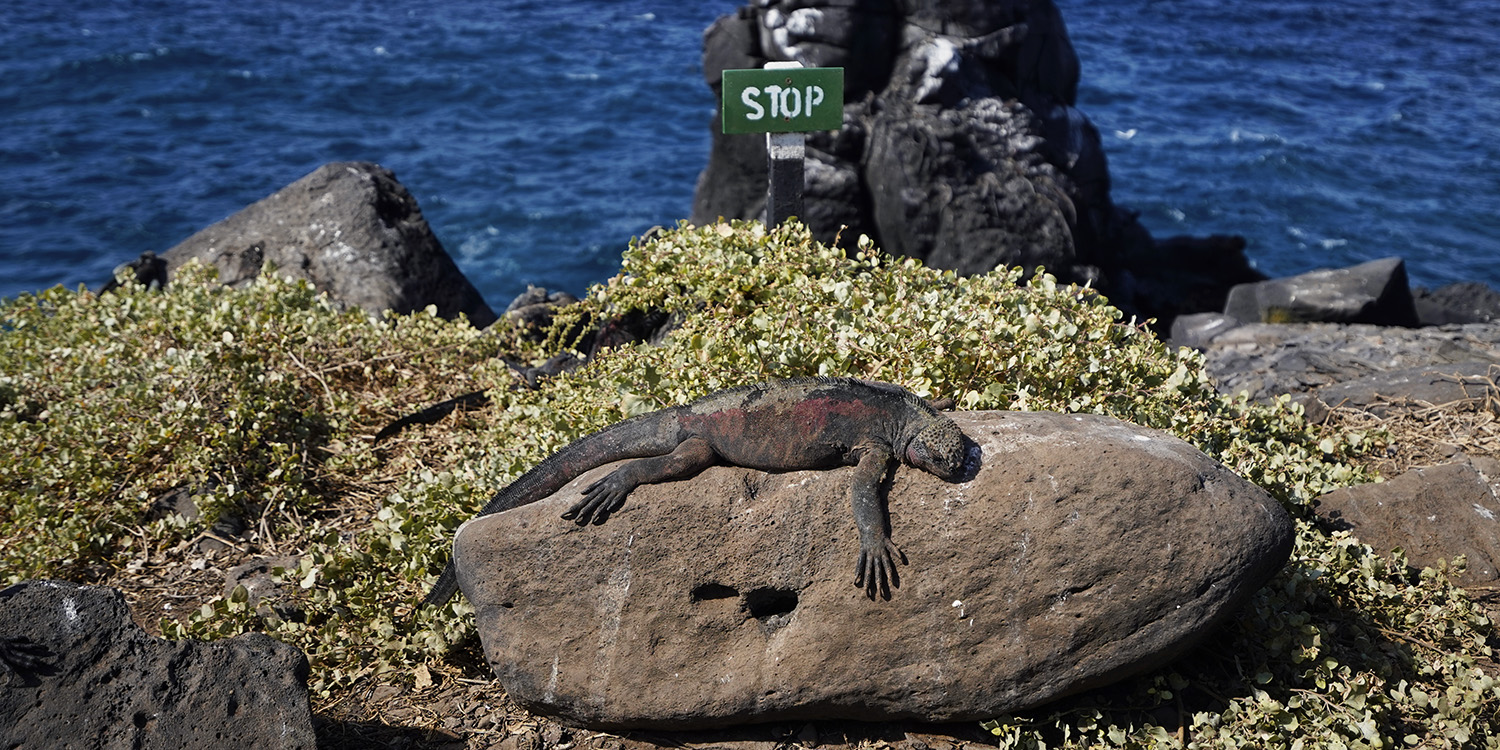
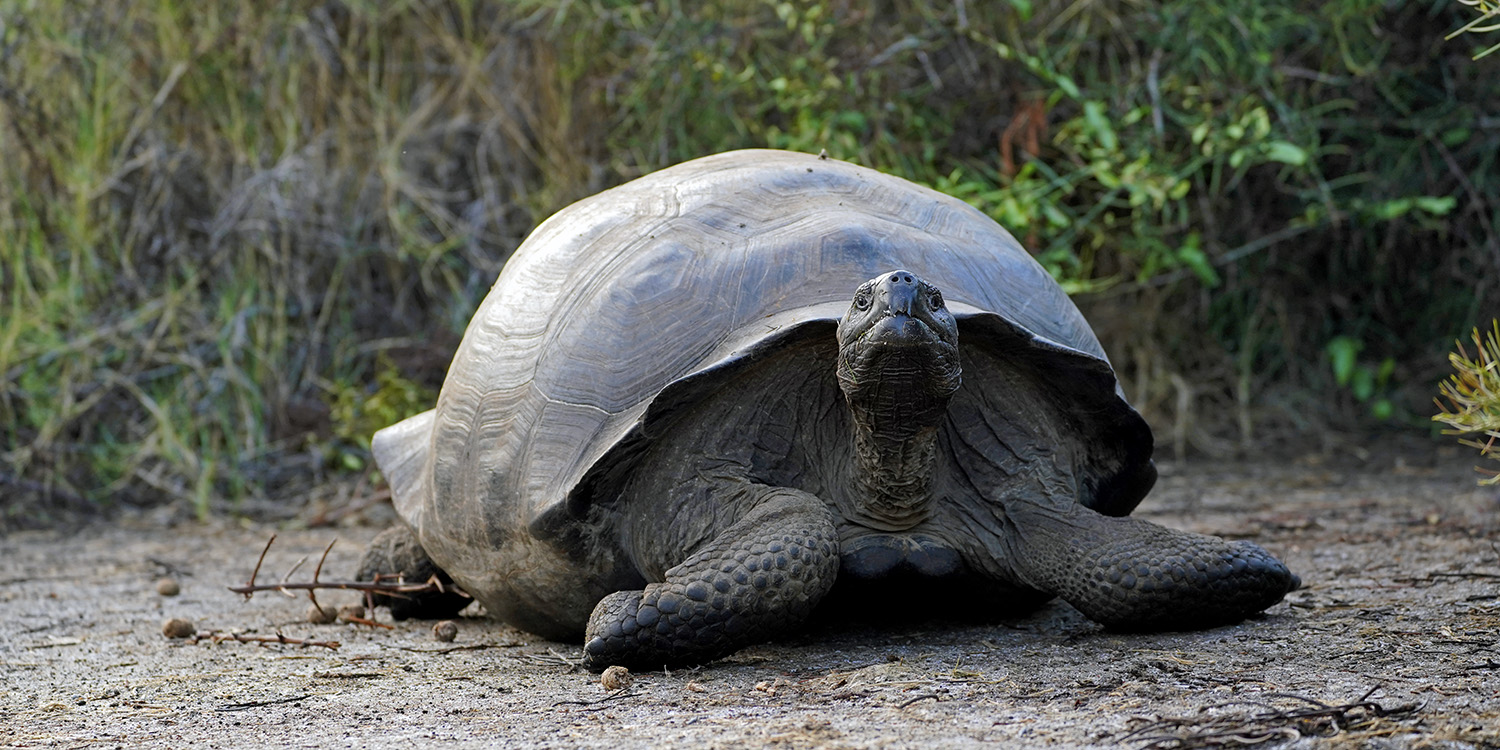
The Galapagos Islands are located 600 miles west of mainland Ecuador and are densely populated with wildlife including sea lions, boobies, marine iguanas, the world-famous Galapagos tortoises, and amazing sea life. One of the world’s largest marine reserves surrounds the islands, offering unparalleled opportunities to snorkel with penguins, sea turtles, and colorful tropical fishes.
Following a week-long cruise throughout the archipelago, we delve deeper into the study of marine biology and conservation at the San Cristóbal island campus of the Universidad San Francisco de Quito (USFQ). The headquarters of the Galapagos National Park is located here, in the port village of Baquerizo Moreno.
Our 3-week stay provides the unique opportunity to stay with a host family and to carry out independent research projects in marine biology and conservation. The island has resident populations of endemic Galapagos plants and animals, with easily accessible beaches, snorkeling or diving sites, and hiking trails.
Discover the cloud forests of the Andes, where you will trek among mossy trees, misty slopes, and incredible biodiversity, including orchids toucans, parrots, and, if you're lucky, a Spectacled Bear.
This rugged 450 hectare reserve is protected by South America’s second-ever conservation easement, signed between the landowner and the Ceiba Foundation for Tropical Conservation. Here, we explore lush montane and cloud forests, replete with showy orchids and an amazing diversity of birds like the endemic Plate-Billed Mountain Toucan. The endangered Spectacled-Bear also calls this forest home. During our study of montane forests, we camp at the remote “Bear’s Den” cabin in the upper reaches of the reserve. (Learn more about this Ceiba project here!)
Hike above the treeline to explore the unique paramo ecosystem - a kind of tropical tundra - where condors soar over endless Andean vistas.
This vast protected area (403,103 ha) spans an impressive elevation range from the lowlands of the Amazon to the lofty peak of Cayambe volcano at 5790 m. The reserve thus contains a bewildering array of ecosystems. We concentrate our visit on the stunning paramo ecosystem, dotted with lakes and perpetually saturated bogs dominated by cushion plants. We examine the fascinating adaptations of these plants to nightly freezing temperatures. The reserve is part of the Condor Bioreserve which contains the world’s largest population of this endangered bird.
Your home away from home is the sunny and tranquil suburb of Cumbaya, just a short bus ride from the historic center of bustling and culturally diverse Quito.
You’ll spend more than half of the program’s 18 weeks at incredible and remote field sites. But everyone needs some down time, too! Our home away from home is Cumbaya, a small university town located a half-hour outside (and a thousand feet of elevation below) the capital city of Quito. There, your host family provides a comfortable home for you, where you can catch up on the internet, call your family in the States, eat a home-cooked meal, and clean your muddy research clothes for the next trip!
Our academic partner, the Universidad San Francisco de Quito, is conveniently located in Cumbaya, and the classroom component of the semester is held in their attractive, leafy campus.