

Ceiba is growing Seeds of Sustainability with 8 new grantees! For the 2026/27 grant cycle, we’re supporting 14 projects in 11 countries across the tropics, including 6 grantees who are returning as Conservation Partners–organizations Ceiba has collaborated with for 2+ years.
Explore the map below to meet this year’s grantees and discover the conservation projects Ceiba is helping make possible, from protecting tropical forests and restoring ecosystems to supporting communities on the front lines of conservation.
The Center for Technology and Nature Conservation (CTNC) is a Vietnamese nonprofit working to protect threatened species and their habitats through research and community engagement. With support from Ceiba, CTNC is conducting the first comprehensive assessment of the Critically Endangered black-shanked douc (Pygathrix nigripes), a primate in Vietnam’s Song Hinh Forest Complex. Surveys and ranger training will help identify threats and strengthen long-term protection of the species and its forest habitat.
Communities for Red Colobus (C4RC) is working to protect The Gambia’s remaining Endangered Temminck’s red colobus and the fragmented forests they depend on. With support from Ceiba, C4RC will survey previously unstudied forests to locate red colobus populations, identify threats, and map potential habitat corridors. The findings will help shape a national conservation action plan and guide future forest protection.
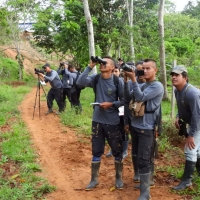
The Córdoba Ornithological Society is working to protect the Critically Endangered Great Green Macaw in Colombia’s upper Sinú River valley, one of its last remaining refuges. With support from Ceiba, SOC will monitor natural and artificial nests, track reproductive success, and restore feeding and nesting habitat by planting native trees. The project also strengthens local “Guardians of the Green Macaw” to lead community-based protection of the species.
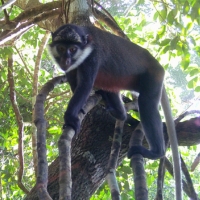
In Benin’s Lama Forest Reserve, the Critically Endangered Red-bellied Monkey, Benin Potto, and White-bellied Pangolin face threats from habitat loss and hunting. With support from Ceiba, this project will establish a 362-hectare community-managed protection zone, train local volunteers in anti-poaching and fire management, and support beekeeping and snail farming as alternatives to bushmeat-based livelihoods.
The Ethnobiological Society of Indonesia (PMEI) advances biodiversity conservation through research, community engagement, and local ecological knowledge. With Ceiba’s support, PMEI is searching for and assessing remaining populations of the Critically Endangered Bornean mango (*Mangifera campnospermoides*) along Indonesia’s Barito River. The project will also propagate native trees and pilot riparian forest restoration, laying the groundwork for protecting this little-known species.
South Asian Forum for Environment (SAFE) is an Indian nonprofit working to conserve biodiversity through community-led environmental protection. With Ceiba’s support, SAFE is mapping elephant movement corridors in West Bengal’s Mayurjharna Elephant Reserve and training local “Elephant Sentinels” to monitor wildlife and human-elephant conflict. The project will help identify and protect critical habitat connections for Endangered Asian elephants.
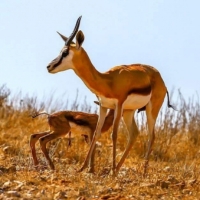
Species Saviour Initiative (SSI) is a Somali-led conservation organization working to protect threatened wildlife through community-based conservation. With Ceiba’s support, SSI will survey the Jiriban coastal plain for the Endangered Speke’s gazelle (Gazella spekei), documenting its habitat and threats for the first time in decades. A community reporting hotline will also help pastoralists monitor gazelles and report illegal hunting, strengthening local protection of this Somali endemic.
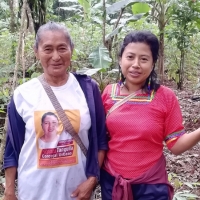
The Asociación de Mujeres Parteras Kichwas de Alto Napo (AMUPAKIN) is a Kichwa women-led organization in Ecuador that combines traditional knowledge, community well-being, and biodiversity conservation. Building on a previous Seeds of Sustainability project, Ceiba is supporting AMUPAKIN in restoring fragmented Kichwa landscapes with native plants and small wildlife corridors. Community members will also document local wildlife and expand the organization’s botanical garden as a center for conservation and cultural education.
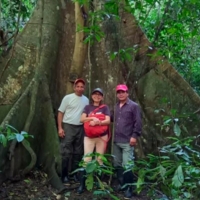
Catalina Quintana Medina is a professor and researcher at the Pontificia Universidad Católica del Ecuador specializing in tropical forest ecology. Building on previous Seeds of Sustainability support, Ceiba is supporting long-term research at Ecuador’s Lalo Loor Dry Forest Reserve to understand how trees grow, change, and store carbon over time. The findings will be shared through scientific publications, community workshops, and a tree guide to help strengthen conservation of this threatened ecosystem.
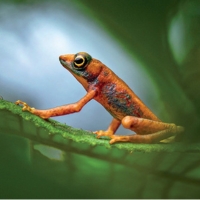
Khamai Foundation is an Ecuadorian conservation organization protecting threatened species through land conservation, restoration, and biodiversity research. Building on previous Seeds of Sustainability support, Ceiba is helping Khamai secure a 56-hectare property that contains habitat for the Critically Endangered Mindo Harlequin Toad (Atelopus mindoensis). Protecting the property will prevent further habitat loss and connect the Arlequín and Las Gralarias reserves.
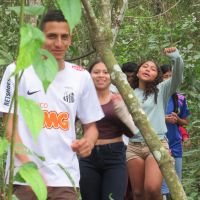
Seas and Forests Conservation Alliance (SFC) is an Ecuadorian organization working to protect forests, wildlife, and coastal ecosystems in northern Manabí. With continued support from Ceiba, SFC is expanding dry forest restoration by 5 hectares while maintaining more than 10 hectares already restored with native species. The project also engages local youth in hands-on conservation and studies insect and plant-pollinator diversity to guide future restoration.
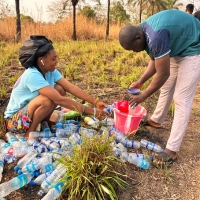
Action for Community Resilience Group (ACRG) is a Sierra Leonean organization working with communities and students to address deforestation and land degradation. Building on previous Seeds of Sustainability support, Ceiba is helping ACRG and Njala University restore 7 hectares of degraded land, where 3,500–4,000 native seedlings have already been planted. The project will protect young forests from fire and charcoal production while developing sustainable alternatives such as fuelwood trees, briquettes, and beekeeping.
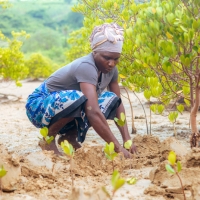
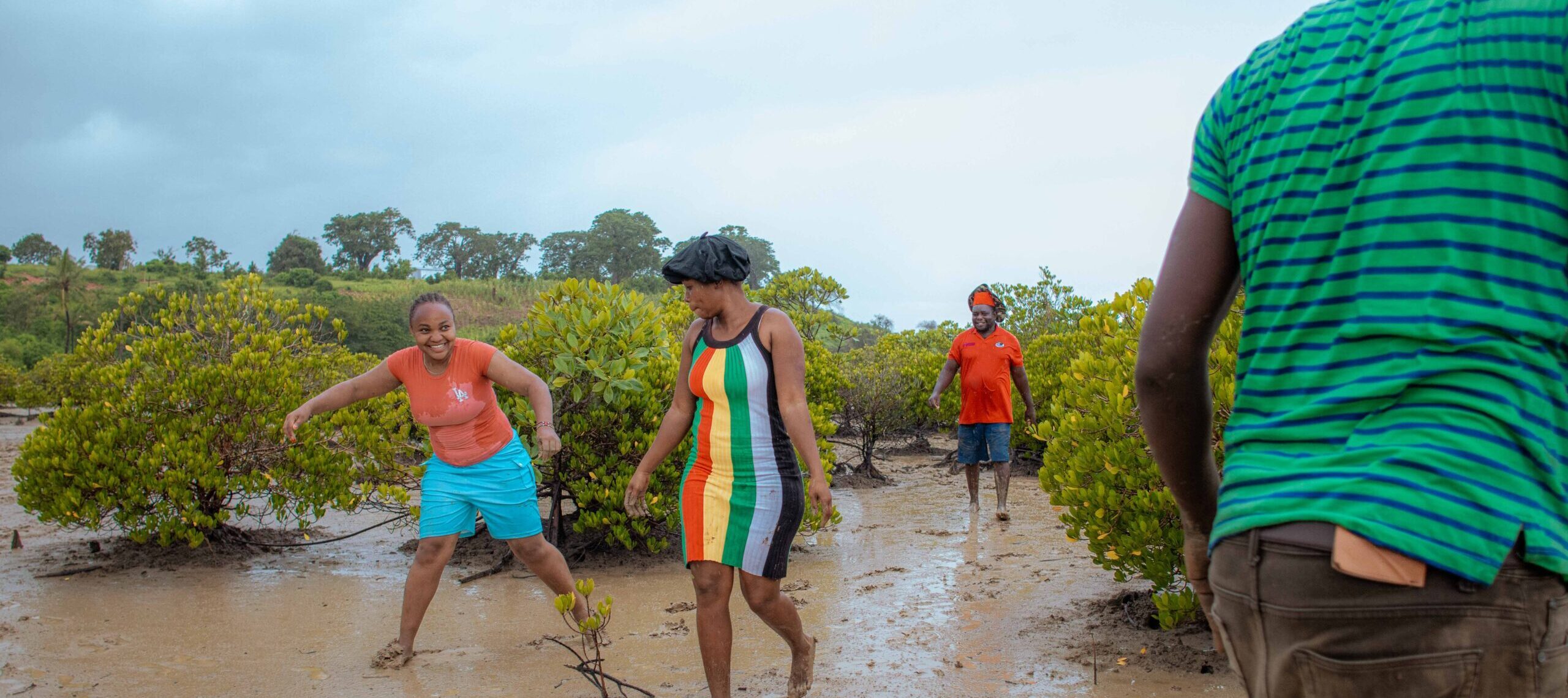
NatureHub Collective is a Kenyan organization working with communities to restore coastal ecosystems and build sustainable livelihoods. Building on previous Seeds of Sustainability support, Ceiba is helping expand mangrove restoration in Mtwapa Creek from 5 to 10 hectares while creating new income opportunities through beekeeping and sustainable fish farming. A new boardwalk will protect restored mangroves and support community-led ecotourism.