

Ceiba’s Conservation Partners are trusted local leaders with whom we have long-term collaborations to advance conservation in biodiversity-rich regions. One pathway into this network is through multi-year support from this grant, which helps launch locally led projects with strong conservation and community outcomes. Explore our Conservation Partners here!
The Seeds of Sustainability Fund is intended to stimulate or catalyze projects that address biodiversity loss, climate change, and environmental inequality.
Non-profit organizations, community organizations or associations, small businesses, and individuals from developing countries in the tropics are eligible to apply. Preference will be given to projects affecting threatened habitat types and species that align with our current Conservation Priorities (see below).
We support the following kinds of applicants and projects:
Ceiba has supported the protection of threatened tropical species and habitats for years through a combination of conservation programs, research, and educational outreach. We emphasize connecting people with nature, and ensuring that conservation projects genuinely listen to, are led by, and actively benefit stakeholders.
Proposals for *first-time applicants* of Seeds of Sustainability funding should link to one of the following focus areas:
The level of funding applicants may request depends on their level of partnership.
*First-time applicants: Anyone applying for the first time to for a Seeds of Sustainability grant may request up to $5,000 maximum.
Conservation Partners: First-time grant recipients who demonstrate successful completion of their project, may be invited to join our Conservation Partner network and be eligible to apply for $10,000 (or more) annually. Continuation of funding depends highly on the ability to demonstrate tangible conservation outcomes that align with our Conservation Priorities after each funding cycle.
Check if you are eligible. The application deadline for 2026 has closed.
Only organizations that meet the following eligibility criteria may apply for a Seeds of Sustainability grant:
Applicants must first complete the Eligibility Check using the button above. If you meet the criteria, you will then be directed to the application link
To apply:
We recognize that complex reporting and accounting requirements can be unnecessarily burdensome for small organizations. Let’s save the planet, and not make more paperwork for ourselves! Instead, our SOS grant recipients and Conservation Partners must agree to send periodic updates on project progress. These updates may be requested weekly, monthly, or bimonthly depending on project duration.
Deadlines for sending in these updates will be specified in your award letter. The updates should include very brief text, plus photos or short videos suitable for distribution on our social media channels. These updates are intended to keep our community of donors and advisors, who make these grants possible, engaged in and informed about the projects they are supporting.
At the end of your project, you are required to submit a summary of the project’s outcomes, and how the funds were used.
Between 6 grantees in 4 countries across the tropics, Seeds of Sustainability is growing BIG change.
25,000+ trees & mangroves planted. 50 km elephant corridor protected. 2,500+ community members engaged. And a whole lot more…
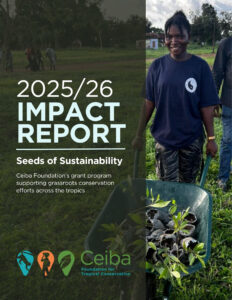
Click here to read about the impact of our 6 amazing grantees from the 2025/26 grant cycle: READ IMPACT REPORT
Thanks to Seeds of Sustainability, Ceiba is extending its reach while supporting locally-conceived and locally-operated projects
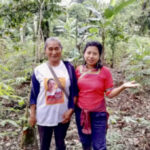
An organization of indigenous women who practice ancestral medicine and work to preserve the knowledge and practices of the Napu Runa culture. Ceiba supports their initiative Runa Kawsay Tarpuna: Sowing Indigenous Culture, in which the Kichwa midwives protect and improve forest diversity. They collect seeds from trees that are in danger of extinction to cultivate in plant nurseries and redistribute the seeds to “chakras,” or dedicated regions of mixed agroforestry.
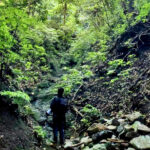
Conservation organization in El Salvador with a mission to protect the region’s coastal dry tropical forest and three groups of endangered species that reside within: sea turtles, yellow-naped parrots, and Mexican spider monkeys. Ceiba supports each of these initiatives, including operation of their sea turtle nursery, protection of parrot nests against poaching, and surveying of spider monkey populations. These projects also employ and involve community members in local conservation efforts.
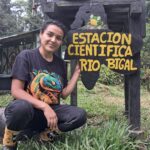
Non-profit conservation organization that oversees protection of the Bigal River Biological Reserve, a forested tropical region of the Ecuadorian Andes. The region is recognized as an Important Bird area (IBA) and a Key Biodiversity Area (KBA) by the International Union for Conservation of Nature. Ceiba is supporting key conservation activities by Sumac to protect this reserve from encroachment, including daily patrols, trail maintenance, wildlife monitoring, signage, and chaperoning of student/volunteer groups.
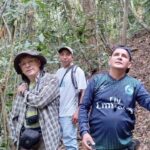
This research project will investigate aspects of the diversity of woody species within the Lalo-Loor reserve, including tree growth, mortality, and recruitment. Ceiba’s funding will support a taxonomic review to update scientific names, as well as determine the conservation status of endemic species present in the study plots. The project leader, Catalina Quintana is a professor and researcher at the Pontificia Universidad Católica del Ecuador with extensive experience in forest dynamics and forest ecology across montane, Amazonian, and dry forests.
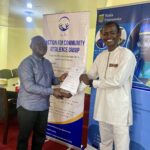
With Ceiba’s Seeds of Sustainability grant, the Njala University Green Initiative will establish a student-led nature club at Njala University in Sierra Leone, engaging students in hands-on reforestation and conservation efforts. The initiative will cultivate a new generation of environmental stewards through restoration projects on the Kasewe Forest Reserve (a critical biodiversity hotspot), workshops on eco-friendly practices, and community outreach.
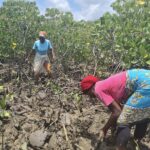
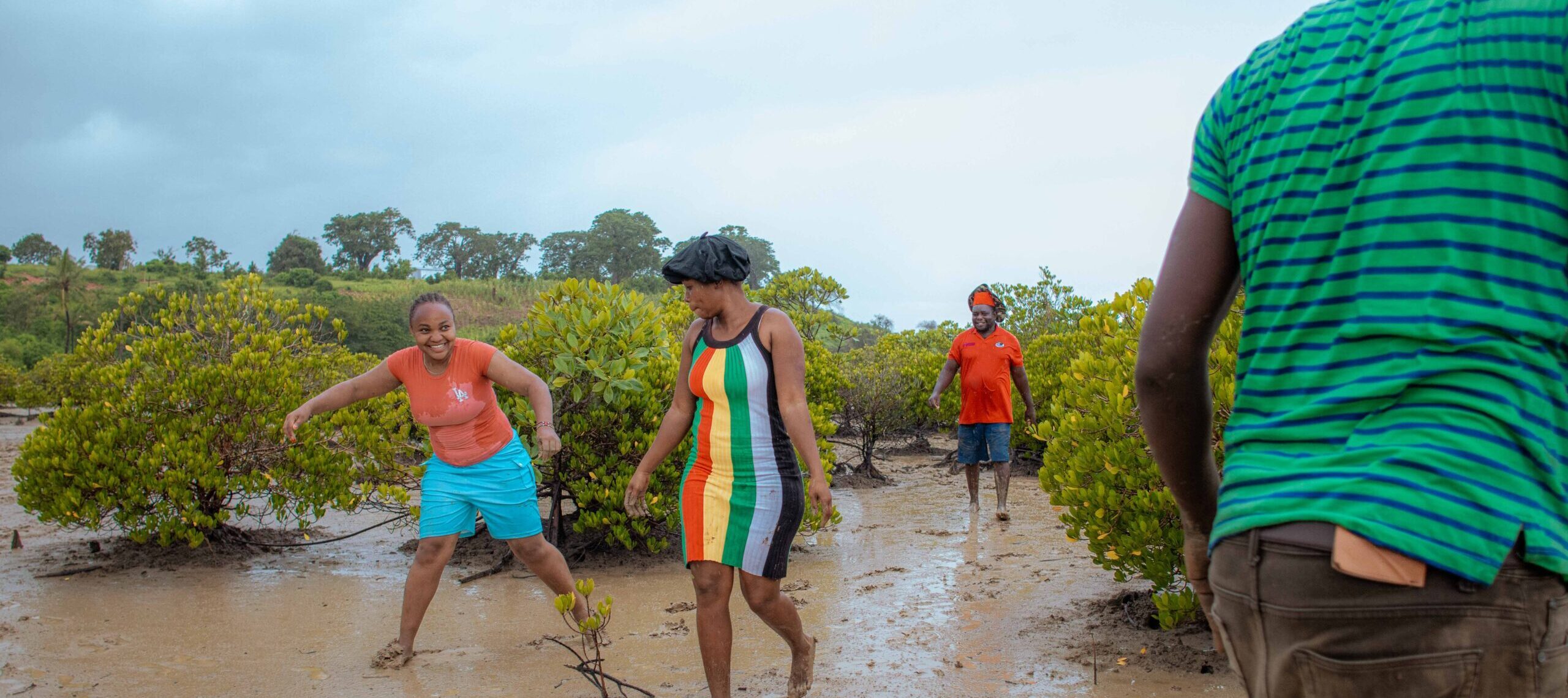
NatureHub is a nonprofit organization in Kenya that, with Ceiba’s support, plans to restore degraded mangrove ecosystems in the Kidongo region with native species. The project will also introduce beekeeping as a sustainable, conservation-based livelihood for the Kidongo community, particularly women. NatureHub will provide comprehensive training for women in apiculture techniques, honey harvesting, and product marketing.

AICRO-Uganda is a conservation nonprofit located in the Kyenjojo district, a critical ecological region between the Matiri Forest Reserve and Kibale National Park. This region is home to threatened species such as the Eastern Chimpanzee and the Grey-Crowned Crane. Ceiba is helping fund their project to restore this important forest corridor and provide locals with training about sustainable agroforestry practices.